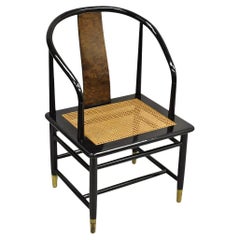
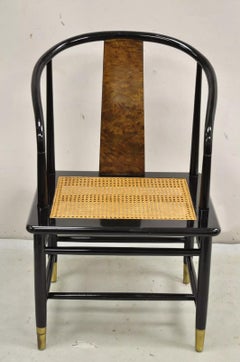
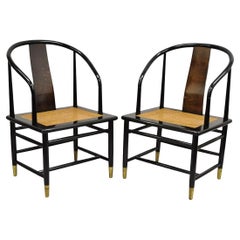
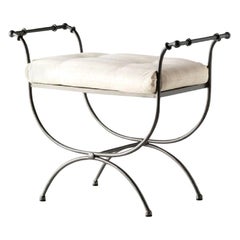
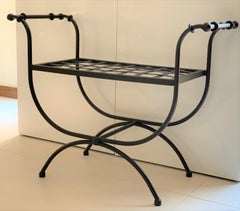
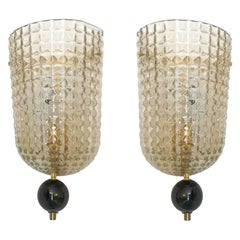
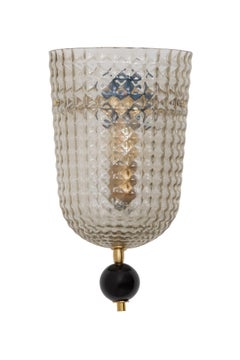
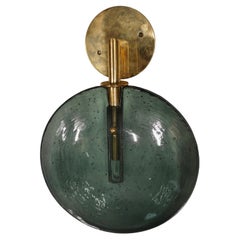
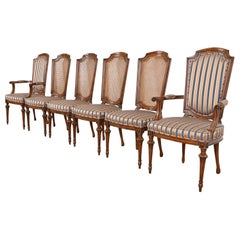
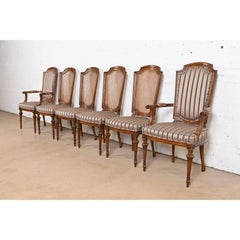
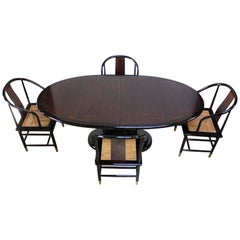
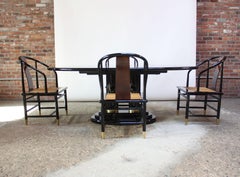
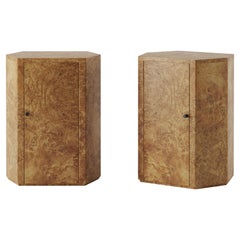
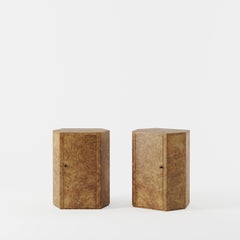
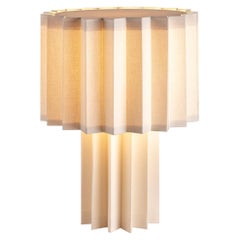
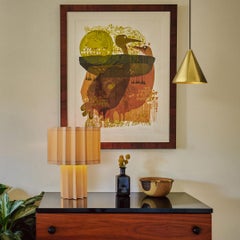
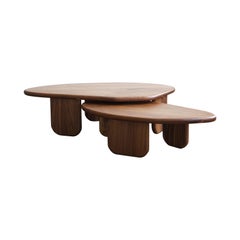
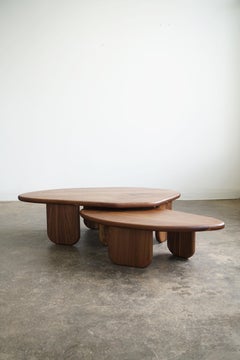
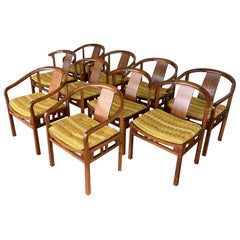
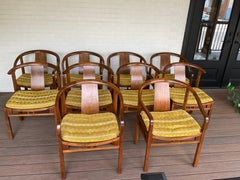
Henredon Scene 3 For Sale on 1stDibs
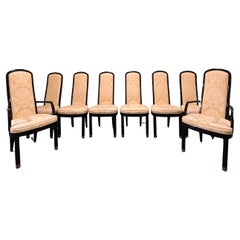
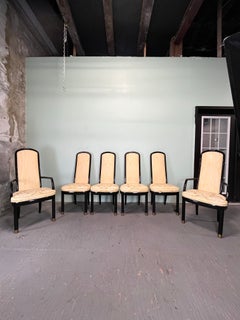
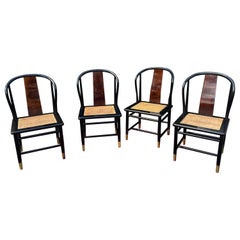
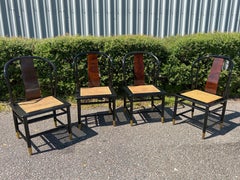
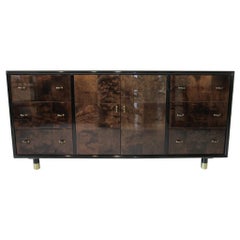
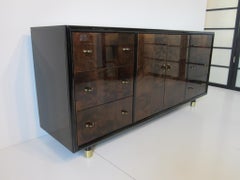
At 1stDibs, there are many versions of the ideal henredon scene 3 for your home. A henredon scene 3 — often made from
wood,
burl and
hardwood — can elevate any home. Your living room may not be complete without a henredon scene 3 — find older editions for sale from the 20th Century and newer versions made as recently as the 20th Century. A henredon scene 3 is a generally popular piece of furniture, but those created in
Mid-Century Modern,
Hollywood Regency and
Modern styles are sought with frequency.
How Much is a Henredon Scene 3?
Prices for a henredon scene 3 start at $650 and top out at $9,200 with the average selling for $2,848.
Henredon for sale on 1stDibs
Founded in 1945, Henredon is one of the more recently minted of the top-tier North Carolina furniture makers. Among collectors, Henredon is admired both for its sleek, sexy sofas, dining tables and other furniture of the 1970s and for its partnerships with noted designers, a program that began in the 1950s with decorating icon Dorothy Draper and architect Frank Lloyd Wright.
From the start, Henredon has been best known for its bedroom furniture and vintage case pieces, such as cabinets, dressers, armoires and credenzas. The brand was established in Morganton by former Drexel Furniture Company executives, and its name is a portmanteau term, derived from the first names of three of the company’s founders — T. Henry Wilson, Ralph Edwards and Don VanNoppen. (Sterling Collett, a fourth figure mentioned in Henredon Furniture’s history, chaired the company and served as treasurer).
Though not on the cutting edge stylistically, Henredon’s production — as well as its output under the Heritage-Henredon label — has always kept pace with contemporary tastes.
In 1953, High Point manufacturer Heritage began a collaboration with Dorothy Draper, famed for bravura interior design commissions such as the Fairmont Hotel in San Francisco and the Greenbrier resort in West Virginia. Her taste for bold, modernized historical style is reflected in the incised baroque medallions of her España line and the geometric motif of her Viennese furnishings group. In 1955, Henredon launched the Taliesin Ensemble by Wright, named after the architect’s houses in Wisconsin and Arizona. Taliesin dressers and coffee tables are recognizable by their angular shapes and a dentil motif on their edges. In those years, Henredon had a cross-licensing agreement with Heritage, and Draper and Wright's furniture is usually labeled Heritage-Henredon.
In later decades, Henredon produced collections for such designers as Ralph Lauren and Laura Ashley. The company took a stylish turn in the 1970s, fabricating new and unusual forms like mirrored room dividers and console tables with rounded corners and burl-wood veneers. Such pieces are priced in the $3,000 to $4,000 range, as are chests of drawers by Draper. Wright furniture tends toward the higher end, priced around $7,000. Henredon was an aesthetically diverse maker, but its furniture commands attention and makes a statement in any eclectic decor.
The vintage Henredon furniture for sale on 1stDibs includes bedroom furniture, coffee tables, chairs and other pieces.
A Close Look at Chinoiserie Furniture
Emerging in the 17th century, chinoiserie appropriated the aesthetics and imagery of popular East Asian design for European-made versions. Reflecting the exoticization of China, Japan and other countries in this era, the word directly translates from French to “Chinese-esque,” which reveals its shortcomings as a style of furniture and decor that often stereotypically and reductively mimics Asian culture rather than showcasing and paying tribute to its artistic traditions.
The enthusiastically decorative chinoiserie style was propelled by influential tastemakers including French King Louis XIV, whose Trianon de Porcelaine in 1670 was inspired by Chinese architecture. Expanded trade between the East and West led to a demand for porcelain, lacquer objects, silk and other goods, which further informed the fanciful furniture being crafted in Europe.
Artisans working in the chinoiserie style used materials and elements like pagoda shapes, bamboo, lacquer surfaces, bird and flower motifs and other interpretations of Asian design on pieces that were frequently set against vibrant wallcoverings. This whimsical approach yielded chinoiserie furniture that boasted dramatic flourishes drawing on the natural world and reflected the dominance of Rococo during the 18th century.
As chinoiserie was shaped by approximations of Asian design by European creators, it had regional variations, such as Chinese Chippendale in England where cabinets, chairs and tea tables had wooden fretwork designs and “japanned” surfaces intended to resemble lacquer work that was created in East Asia. In North America, furniture makers in Boston and New York integrated chinoiserie-painted scenes into Queen Anne furniture.
Antique chinoiserie furniture has continued to be fashionable, from its popularity with decorators of the Hollywood Regency era — James Mont, Tommi Parzinger, William Haines and Samuel Marx favored the style — to contemporary interior designers, although it brings with it a complex history.
Find a collection of chinoiserie bedroom furniture, cabinets, decorative objects and more on 1stDibs.
Finding the Right Dining-room-chairs for You
No matter what your dream dining experience looks like, there is a wide-ranging variety of vintage, new and antique dining room chairs on 1stDibs. Find upholstered dining room chairs, wood dining room chairs and more to outfit any space designated for a good meal, be it in your home or in the great outdoors.
In the early 18th century, most dining room tables and other furniture was designed to look masculine. In America, dining rooms weren’t even much of a concept until the late 1700s, when a space set aside specifically for dining became a part of the construction of homes for the wealthy. Dining room chairs of the era were likely made of walnut or oak. In Europe, neoclassical dining chairs emerged during the 1750s owing to nostalgia for classical antiquity, while the curving chair crests of Queen Anne furniture in the United States preceded the artistically bold seat backs that characterized the Chippendale chairs that followed. If there weren't enough dining chairs at suppertime in the American colonies, men were prioritized and women stood.
In the dining rooms of today, however, there is enough space for everyone to have a seat at the table. Modern styles introduce innovative design choices that play with shape and style. Icons of mid-century modern dining room chairs are plentiful: With its distinctive bentwood back, there is the DCW dining chair by Charles and Ray Eames, while Hans Wegner's timeless classic, the Wishbone chair, remains relevant and elegant decades after its debut. Stefano Giovannoni's White Rabbit dining chairs, in their lovable polyethylene biomorphism, reinvent what dining can look like.
Today's wide range of dining room chairs also means that they can now be styled in different ways, bringing functionality and fun to any sumptuous dining space. No longer do tables have to be accompanied by a matching set of seats. Skillfully mixing and matching colors and designs allows you to showcase your personality without sacrificing the cohesion of a given space.
By furnishing your dining room with cozy chairs — vintage, antique or otherwise — family time can extend far beyond mealtime. The plush upholstery of Victorian-style dining room chairs is perfect for game nights that stretch from dinner to midnight snack. Outdoor tables and dining chairs can also present an excellent opportunity for bonding and eating — what goes better with a delicious meal than fresh air, anyway?
Whether you prefer your chairs streamlined and stackable or ornate and one of a kind, the offerings on 1stDibs will elevate your mealtime and beyond.