Mans Jewlery Box
Early 2000s Irish Modern Jewelry Boxes
Mahogany, Walnut
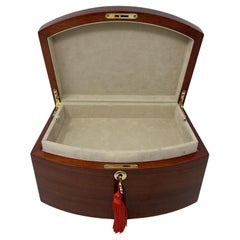

Early 2000s Irish Modern Jewelry Boxes
Walnut
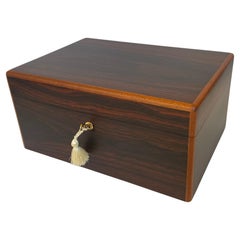
Early 2000s Irish Modern Jewelry Boxes
Mahogany
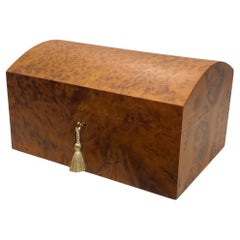
Vintage 1950s Unknown Scandinavian Modern Jewelry Boxes
Bog Wood
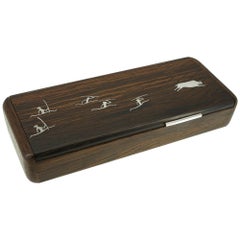
Early 2000s Irish Modern Jewelry Boxes
Mahogany, Walnut
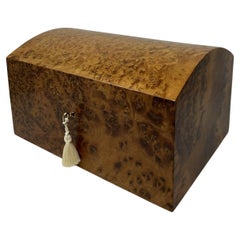
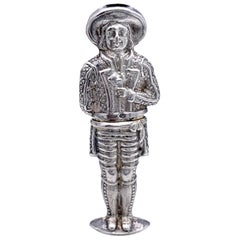
Antique 1820s German Early Victorian Boxes and Cases
Silver
Recent Sales
Early 2000s Irish Modern Jewelry Boxes
Mahogany, Rosewood, Cedar
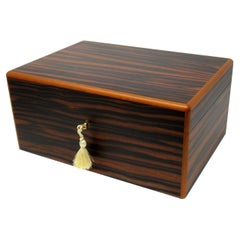
Early 2000s Irish Modern Jewelry Boxes
Mahogany, Walnut
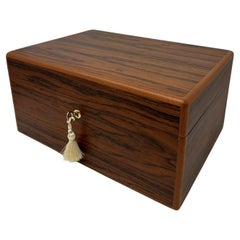
Early 2000s Irish Modern Jewelry Boxes
Mahogany, Walnut
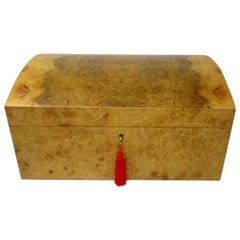
Early 2000s Irish Modern Jewelry Boxes
Cedar, Mahogany, Walnut
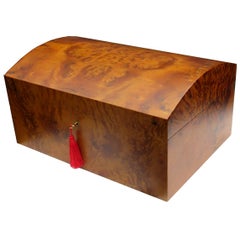
Early 2000s Irish Modern Jewelry Boxes
Mahogany, Walnut
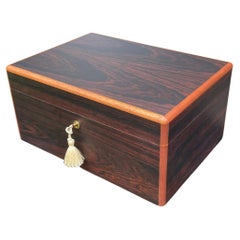
Early 2000s Irish Modern Jewelry Boxes
Mahogany, Walnut
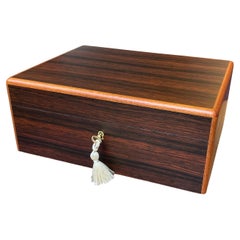
Early 2000s Irish Modern Jewelry Boxes
Walnut
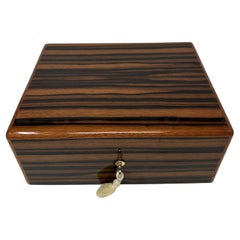
Early 2000s Irish Modern Jewelry Boxes
Walnut
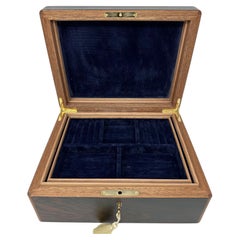
Early 2000s Irish Modern Jewelry Boxes
Walnut
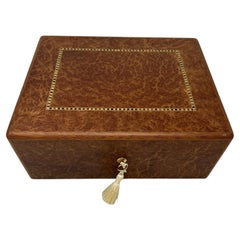
Early 2000s Irish Modern Jewelry Boxes
Mahogany, Walnut
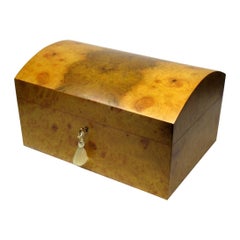
21st Century and Contemporary Irish Modern Jewelry Boxes
Walnut, Burl
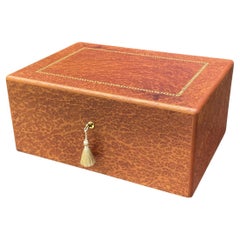
21st Century and Contemporary Irish Modern Jewelry Boxes
Walnut, Burl
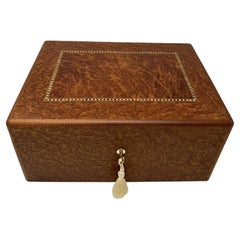
Early 2000s Irish Modern Jewelry Boxes
Mahogany, Walnut
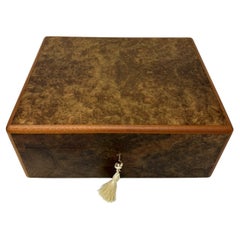
Early 2000s Irish Modern Jewelry Boxes
Mahogany, Walnut
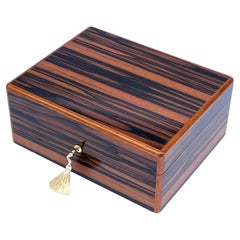
Early 2000s Irish Modern Jewelry Boxes
Walnut
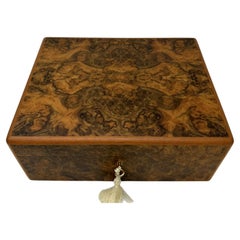
Early 2000s Irish Modern Jewelry Boxes
Mahogany, Walnut
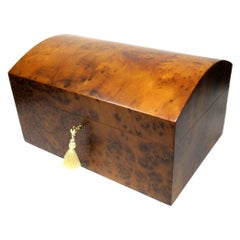
Early 2000s Irish Modern Jewelry Boxes
Mahogany, Walnut
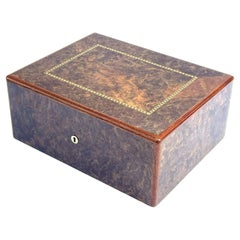
Early 2000s Irish Modern Jewelry Boxes
Mahogany, Walnut
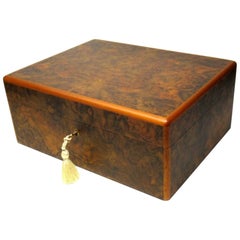
Early 2000s Irish Modern Jewelry Boxes
Mahogany, Burl
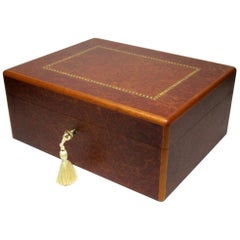
21st Century and Contemporary Irish Modern Jewelry Boxes
Walnut, Burl
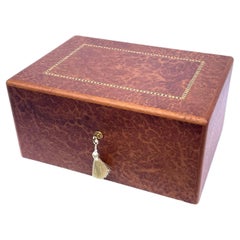
Early 2000s Irish Modern Jewelry Boxes
Mahogany, Walnut
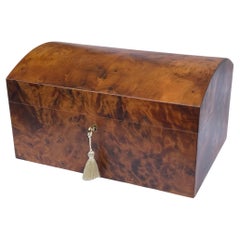
Early 2000s Irish Modern Jewelry Boxes
Mahogany, Walnut
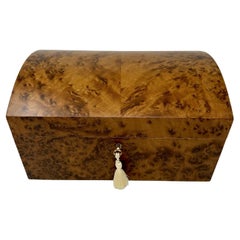
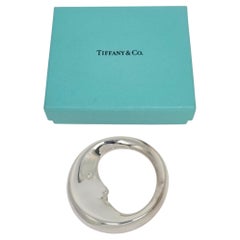
20th Century Figurines and Sculptures
Sterling Silver
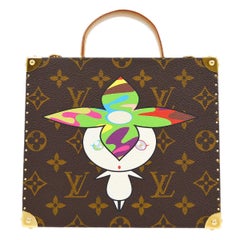
21st Century and Contemporary Top Handle Bags
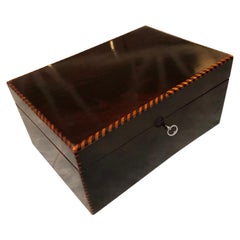
21st Century and Contemporary Italian Modern Jewelry Boxes
Wood
People Also Browsed
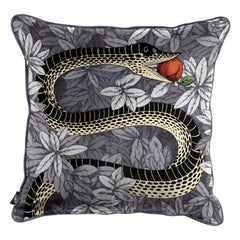
21st Century and Contemporary Italian Modern Pillows and Throws
Silk
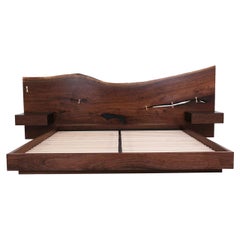
2010s American Modern Beds and Bed Frames
Brass, Steel
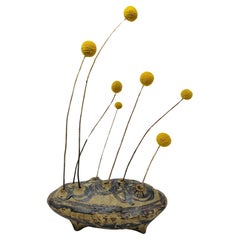
Vintage 1960s American Mid-Century Modern Vases
Ceramic
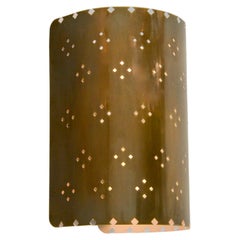
21st Century and Contemporary American Scandinavian Modern Wall Lights a...
Brass
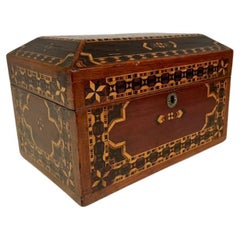
Antique Mid-19th Century Regency Jewelry Boxes
Velvet, Ebony, Fruitwood, Mahogany, Walnut
2010s British Scandinavian Modern Tables
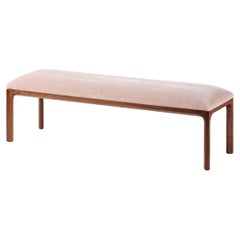
Mohair, Oak, Walnut
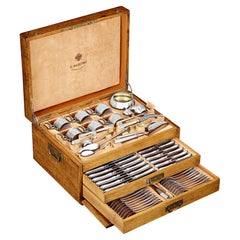
Antique 19th Century Russian Sterling Silver
Silver
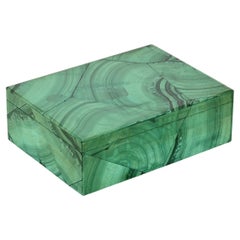
Mid-20th Century Italian Mid-Century Modern Decorative Boxes
Malachite, Marble
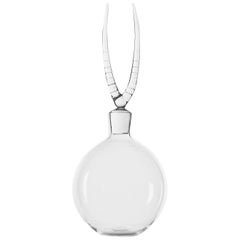
21st Century and Contemporary Italian Modern Bottles
Glass
Antique 1860s English Victorian Decorative Boxes
Brass
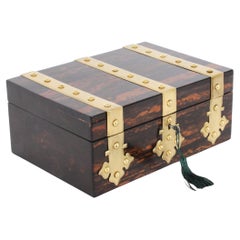
Mid-20th Century Italian Jewelry Boxes
Brass
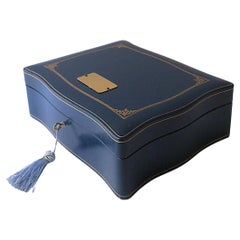
Antique 19th Century English Victorian Inkwells
Brass
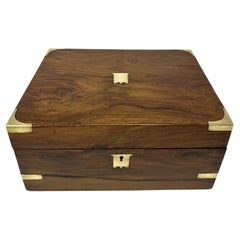
20th Century American Art Nouveau Table Lamps
Bronze
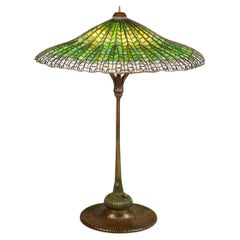
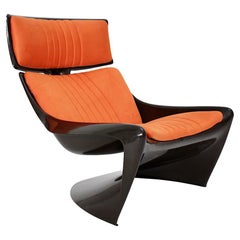
Vintage 1960s Danish Space Age Lounge Chairs
Upholstery, Plastic
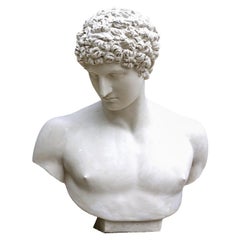
2010s Italian Busts
Plaster
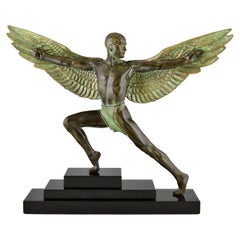
21st Century and Contemporary French Art Deco Figurative Sculptures
Marble, Metal
Mans Jewlery Box For Sale on 1stDibs
How Much is a Mans Jewlery Box?
A Close Look at Modern Furniture
The late 19th and early 20th centuries saw sweeping social change and major scientific advances — both of which contributed to a new aesthetic: modernism. Rejecting the rigidity of Victorian artistic conventions, modernists sought a new means of expression. References to the natural world and ornate classical embellishments gave way to the sleek simplicity of the Machine Age. Architect Philip Johnson characterized the hallmarks of modernism as “machine-like simplicity, smoothness or surface [and] avoidance of ornament.”
Early practitioners of modernist design include the De Stijl (“The Style”) group, founded in the Netherlands in 1917, and the Bauhaus School, founded two years later in Germany.
Followers of both groups produced sleek, spare designs — many of which became icons of daily life in the 20th century. The modernists rejected both natural and historical references and relied primarily on industrial materials such as metal, glass, plywood, and, later, plastics. While Bauhaus principals Marcel Breuer and Ludwig Mies van der Rohe created furniture from mass-produced, chrome-plated steel, American visionaries like Charles and Ray Eames worked in materials as novel as molded plywood and fiberglass. Today, Breuer’s Wassily chair, Mies van der Rohe’s Barcelona chair — crafted with his romantic partner, designer Lilly Reich — and the Eames lounge chair are emblems of progressive design and vintage originals are prized cornerstones of collections.
It’s difficult to overstate the influence that modernism continues to wield over designers and architects — and equally difficult to overstate how revolutionary it was when it first appeared a century ago. But because modernist furniture designs are so simple, they can blend in seamlessly with just about any type of décor. Don’t overlook them.
Finding the Right Jewelry-boxes for You
If you have jewelry, chances are you have an antique or vintage jewelry box. This simple item was born from a simple need. It offers jewelry lovers a place to store their most cherished treasures. The idea behind a good jewelry box is that precious items deserve a place of honor.
It’s no surprise, then, that jewelry boxes (also called jewelry caskets or trinket boxes) have existed for as long as we’ve worn jewelry. It’s among the most popular decorative boxes we have in our homes, and we can find early versions that date at least as far back as Ancient Egypt. All Egyptians adorned themselves with necklaces, rings, earrings and other accessories, and the era’s jewelry boxes resembled small treasure chests. Later, fine jewelry became cost prohibitive and the only people with jewelry boxes were those who could afford jewelry.
Following the Industrial Revolution, jewelry was no longer made by hand. Mass production and the demand of the growing middle class rendered jewelry more accessible. Jewelry of the Romantic period, which refers to early Victorian jewelry, is reflective of these economic shifts. Jewelry from this time tends to be feminine and ornate, and embellished with seed pearls, coral and turquoise. Naturally, it was stored in elaborate, decorative Victorian-era jewelry boxes that were sometimes crafted from hand-painted porcelain or sterling silver.
Nowadays, jewelry boxes do more than keep jewelry safe and organized. They’re popular collector’s items that have become as treasured as the contents themselves.
Designer jewelry boxes — Chanel jewelry boxes, Hermès jewelry boxes and others created by celebrated fashion labels — are widely sought by jewelry lovers who covet a chic case for their jewelry essentials. An eye-catching vintage jewelry box, which is at least 20 but less than 100 years old, is a valuable decorative object, a sign of luxury and elegance that adds character and texture to any bedroom. Some jewelry boxes are even embellished with a few jewels of their own.
If you’re not tucking your jewelry into a drawer or shallow tray atop your vanity, perhaps an Art Deco trinket box with charming brass hardware or a sculptural, hand-carved rosewood mid-century modern jewelry box lined with linen and velvet will do?
Today’s jewelry boxes come in a variety of styles and sizes and are made of metal, wood, plastic and other materials. Give your cherished jewelry the good home it deserves — find an extensive collection of antique and vintage jewelry boxes today on 1stDibs.
Read More
10 On-Point Vessels for Flaunting Your Houseplants and Bouquets
Whether you're a genius gardener or have your florist on speed dial, every stem in your home deserves the best.
Jeff Andrews Captures Old Hollywood Glamour in His Cinematic Spaces
Having created extravagant homes for reality TV’s biggest stars, the designer is stepping into the spotlight with his first book.