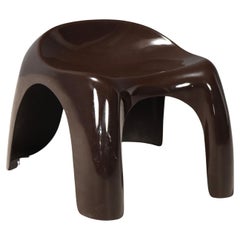
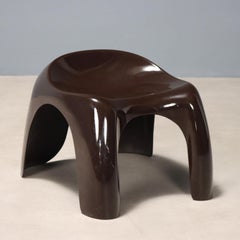
Sgabello 'Efebino' di Stacy Dukes per Artemide
By Stacy Dukes, Artemide
Located in Milano, IT
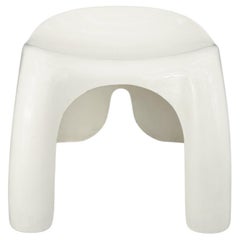
Piccolo sgabello in materiale plastico marrone.
Category
Vintage 1970s Italian Mid-Century Modern Stools
Materials
Plastic
Sgabello 'Efebino' di Stacy Dukes per Artemide
By Stacy Dukes, Artemide
Located in Milano, IT
Piccolo sgabello in materiale plastico marrone.
Plastic
$1,555 / set
H 13 in W 13.39 in D 16.54 in
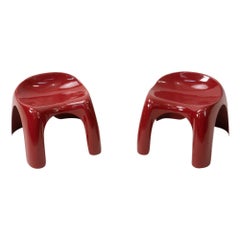
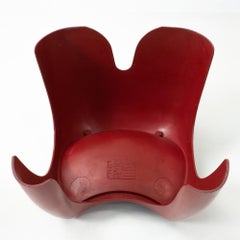
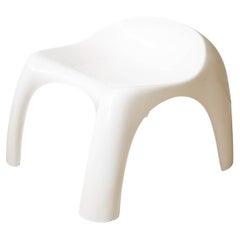
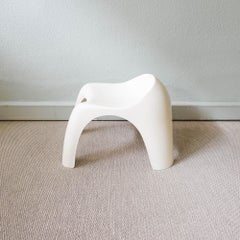
Vintage Italian Children's Efebino Stools by Stacy Dukes for Artemide, 1960s
By Artemide, Stacy Dukes
Located in Renens, CH
: Since no producer was found in the United States, they were produced in Italy by Artemide. The stools
Plastic
$454Sale Price|20% Off
H 13.78 in W 18.12 in D 19.69 in
Portuguese Fiberglass Stool in the style of Efebino by Stacy Duke for Artemide
Located in Lisboa, PT
This stool was designed and produced in Portugal, during the 1970's, in the style of Efebino stool
Fiberglass
$1,435 / set
H 12.6 in W 15.36 in D 16.54 in
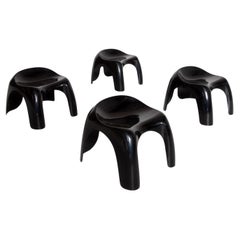
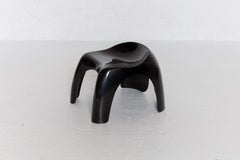
Set of Four Stackable Children's Chair Stools by Stacy Dukes for Artemide, 1966s
By Artemide, Stacy Dukes
Located in Antwerp, BE
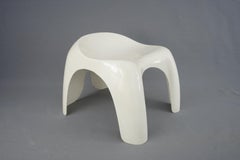
Set of Four Artemide Efebo Efebino Seats designed by Stacy Duke. Beautifully sculptural designed
Plastic
Unavailable
H 12.6 in W 15.36 in D 16.54 in
Efebino Fiberglass Childrens Chair Stool by Stacy Dukes for Artemide, 1966s
By Artemide, Stacy Dukes
Located in Frankfurt / Dreieich, DE
Efebino fiberglass chair by Stacy Duke for Artemide 1960s. Good original condition
Fiberglass

Efebino Stool by Stacy Dukes for Artemide, 1966
By Artemide, Stacy Dukes
Located in bruxelles, BE
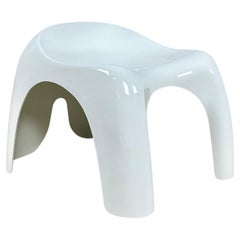
White plastic chair. Stamped under the seat. Measures: Seat height: 24cm Wear due to time and age of the chair.
Plastic
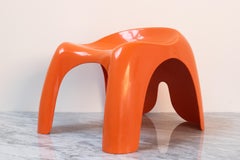
Vintage orange Efebino Stool by Stacy Dukes for Artemide, 1966
By Artemide, Stacy Dukes
Located in Oostende, BE
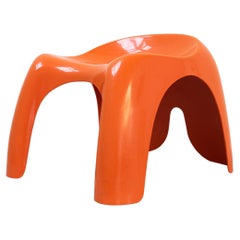
Vintage, orange Efebino Stool by Stacy Dukes for Artemide, 1966
Plastic
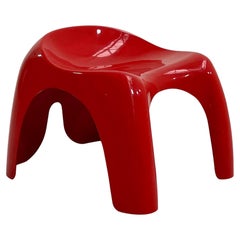
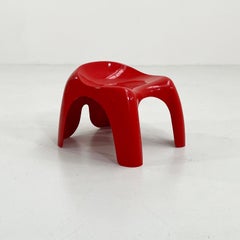
Red Efebino Stool by Stacy Dukes for Artemide, 1960s
By Artemide, Stacy Dukes
Located in Ixelles, Bruxelles
Designer - Stacy Dukes Producer - Artemide Model - Efebino Stool Design Period - Sixties
Plastic
$2,500 / item
H 29 in Dm 19 in
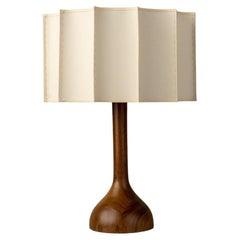
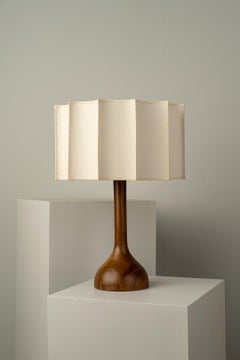
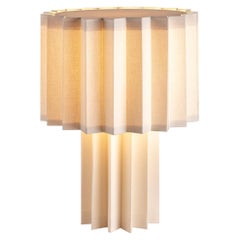
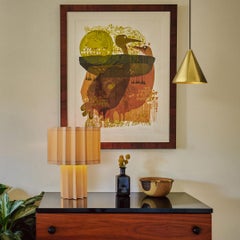
Organic Modern Small Table Lamp Natural Wood Handmade Ivory Fluted Shade
By Isabel Moncada
Located in San Antonio, TX
PATA DE ELEFANTE SMALL table lamp was designed for the Atomic collection by Mexican artist Isabel Moncada. Named Pata de Elefante –Elephant's Foot– for the prominent shape at its ba...
Wood, Fabric, Linen, Fiberglass
$2,121 / item
H 4.15 in W 5.35 in D 7.75 in
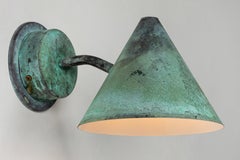
Hans-Agne Jakobsson 'Mini-Tratten' Verdigris Patinated Outdoor Sconce
By Hans-Agne Jakobsson, Örsjö Industri AB
Located in Glendale, CA
Hans-Agne Jakobsson 'Mini-Tratten' verdigris patinated outdoor sconce. An exclusive made for U.S. and UL listed authorized re-edition of the classic Swedish design executed in rich v...
Metal
$6,500 / item
H 14 in W 36 in D 20 in
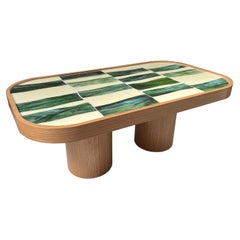
Modern Oval Coffee Table in Oak Wood Cylinder Base and Glass by Ercole Home
By Ercole Home
Located in Brooklyn, NY
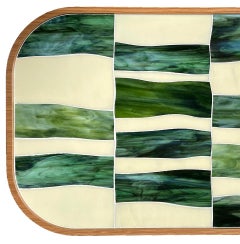
Palazzo oval coffee table with green and ivory glass sits on 2 Rift White Oak Wood pedestals by Ercole Home. This new bespoke coffee table design by Ercole Home is available today fo...
Art Glass, Walnut, Cut Glass
$1,650 / item
H 16.1 in Dm 11.5 in
'Plissé White Edition' Pleated Textile Table Lamp by Folkform for Örsjö
By Örsjö Industri AB
Located in Glendale, CA
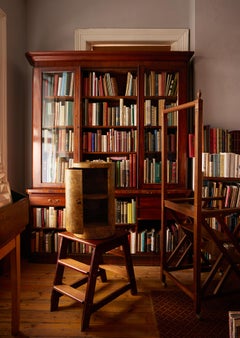
'Plissé White Edition' pleated textile table lamp by Folkform for Örsjö. This unique table lamp was awarded “Lighting of the Year 2022” by Residence Magazine Sweden, who called it “...
Textile

$5,192Sale Price / set|30% Off
H 24.01 in Dm 13.78 in
Pair of Constant Night Stands in Poplar Burl wood by Master for Lemon
By Lemon
Located in Amsterdam, NL
Envisioned by designer Yaniv Chen, the Constant nightstand exudes an air of refined luxury, celebrating the inherent splendor of Poplar burl wood. Meticulously crafted with impeccabl...
Burl, Poplar
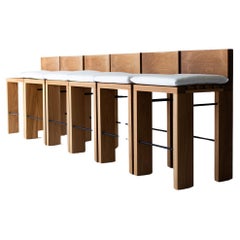
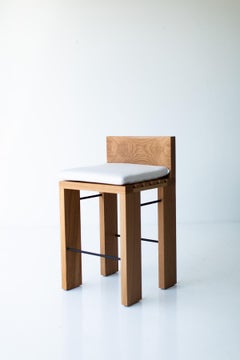
Bertu Counter Stools, White Oak Counter Stool, Chile Stool
By Bertu Furniture
Located in Oak Harbor, OH
Bertu Counter Stools, White Oak Counter Stool, Chile Stool This White Oak Chile Counter Stool is beautifully constructed from solid wood in Ohio, USA. The stool is chunky and modern...
Wood, Oak
$1,499 / set
H 23 in W 13.5 in D 15.7 in
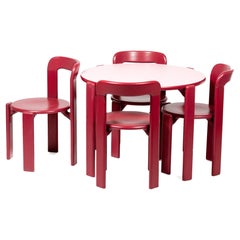
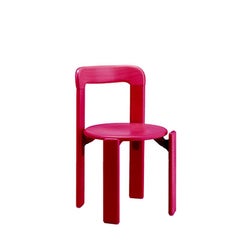
Dietiker Rey Junior Set, Kids Table and Chairs in Pink, Designed by Bruno Rey
By Dietiker, Bruno Rey
Located in Stein am Rhein, CH
This is the children furniture collection based on the famous Rey chair that was designed in 1971. The Rey Junior set includes 4 chairs + 1 table in Candy color. Designed by Bruno ...
Aluminum
$2,750 / item
H 15 in W 40 in D 70 in
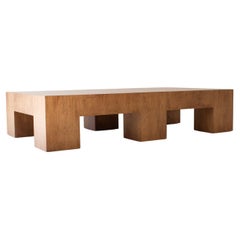
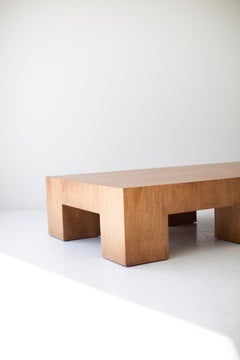
Bertu Coffee Table, Large Modern Coffee Table, Maple Veneer, Mondo
By Bertu Furniture
Located in Oak Harbor, OH
Bertu Coffee Table, Large Modern Coffee Table, Maple Veneer, Mondo This Large Modern Coffee Table - The Mondo is made in the heart of Ohio with locally sourced wood. Each table is h...
Maple, Oak, Plywood
$445 / item
H 15.25 in W 18.5 in D 20.25 in
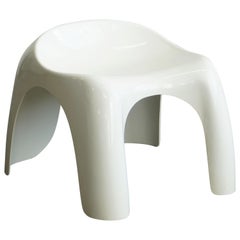
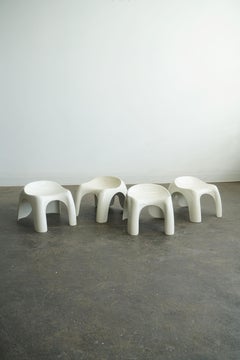
Efebo Stacking Stool by Stacy Dukes for Artemide, Italy post modern, 4 avail
By Artemide, Stacy Dukes
Located in Chicago, IL
Efebo Seats designed by Stacy Duke for Artemide. Italy, 1960's Golden plastic. Priced individually. Four available. These sculptural white molded plastic stools were designed as c...
Plastic
Artemide is an iconic firm in the design world. The mid-century Italian company is one of the best known lighting manufacturers and its award-winning fixtures are held in museum collections everywhere. Vintage Artemide table lamps, pendants, ceiling lamps and other lighting represent a thoughtful merge between functionalism and eye-catching design.
Artemide, which is based in Pregnana, was founded by Ernesto Gismondi and Sergio Mazza in 1959. During that year, Mazza created the first table lamp for the manufacturer — a modernist work in glass, marble and metal that he called the Alfa. Gismondi, who studied aeronautical engineering at the Polytechnic University of Milan and missile engineering at Rome’s Professional School of Engineering, applied his knowledge of cutting edge technology and materials such as fiberglass resin to Artemide’s designs for lighting and furniture.
In 1967, Artemide won Italy’s Compasso d'Oro design award for its Eclisse table lamp, which was designed by Vico Magistretti two years earlier. Other award-winning fixtures include the Tizio table lamp designed by Richard Sapper and the Tolomeo table lamp.
Designed by Michele de Lucchi and Giancarlo Fassina, the Tolomeo featured the patented George Carwardine mechanism used in the original Anglepoise lamp. De Lucchi would later be recruited to join visionary postmodern design collective the Memphis Group. Artemide’s Gismondi purchased the brand after founder Ettore Sottsass dismantled the collective in 1988, and it was bought by Alberto Bianchi Albrici in 1996.
Artemide’s list of design, innovation, sustainability and other industry awards is long and distinguished. The firm continues to actively collaborate with internationally revered designers and seek out new talent through workshops with design schools. The company’s deeply held values — energy-saving lighting, sustainable design and ethically sourced materials — characterize its current offerings, and Artemide furniture and lighting can be found in the permanent collections of the Metropolitan Museum of Art, the Museum of Modern Art and other institutions.
On 1stDibs, find Artemide tables, seating, floor lamps, chandeliers and more.
Organically shaped, clean-lined and elegantly simple are three terms that well describe vintage mid-century modern furniture. The style, which emerged primarily in the years following World War II, is characterized by pieces that were conceived and made in an energetic, optimistic spirit by creators who believed that good design was an essential part of good living.
ORIGINS OF MID-CENTURY MODERN FURNITURE DESIGN
CHARACTERISTICS OF MID-CENTURY MODERN FURNITURE DESIGN
MID-CENTURY MODERN FURNITURE DESIGNERS TO KNOW
ICONIC MID-CENTURY MODERN FURNITURE DESIGNS
VINTAGE MID-CENTURY MODERN FURNITURE ON 1STDIBS
The mid-century modern era saw leagues of postwar American architects and designers animated by new ideas and new technology. The lean, functionalist International-style architecture of Le Corbusier and Bauhaus eminences Ludwig Mies van der Rohe and Walter Gropius had been promoted in the United States during the 1930s by Philip Johnson and others. New building techniques, such as “post-and-beam” construction, allowed the International-style schemes to be realized on a small scale in open-plan houses with long walls of glass.
Materials developed for wartime use became available for domestic goods and were incorporated into mid-century modern furniture designs. Charles and Ray Eames and Eero Saarinen, who had experimented extensively with molded plywood, eagerly embraced fiberglass for pieces such as the La Chaise and the Womb chair, respectively.
Architect, writer and designer George Nelson created with his team shades for the Bubble lamp using a new translucent polymer skin and, as design director at Herman Miller, recruited the Eameses, Alexander Girard and others for projects at the legendary Michigan furniture manufacturer.
Harry Bertoia and Isamu Noguchi devised chairs and tables built of wire mesh and wire struts. Materials were repurposed too: The Danish-born designer Jens Risom created a line of chairs using surplus parachute straps for webbed seats and backrests.
The Risom lounge chair was among the first pieces of furniture commissioned and produced by celebrated manufacturer Knoll, a chief influencer in the rise of modern design in the United States, thanks to the work of Florence Knoll, the pioneering architect and designer who made the firm a leader in its field. The seating that Knoll created for office spaces — as well as pieces designed by Florence initially for commercial clients — soon became desirable for the home.
As the demand for casual, uncluttered furnishings grew, more mid-century furniture designers caught the spirit.
Classically oriented creators such as Edward Wormley, house designer for Dunbar Inc., offered such pieces as the sinuous Listen to Me chaise; the British expatriate T.H. Robsjohn-Gibbings switched gears, creating items such as the tiered, biomorphic Mesa table. There were Young Turks such as Paul McCobb, who designed holistic groups of sleek, blond wood furniture, and Milo Baughman, who espoused a West Coast aesthetic in minimalist teak dining tables and lushly upholstered chairs and sofas with angular steel frames.
Generations turn over, and mid-century modern remains arguably the most popular style going. As the collection of vintage mid-century modern chairs, dressers, coffee tables and other furniture for the living room, dining room, bedroom and elsewhere on 1stDibs demonstrates, this period saw one of the most delightful and dramatic flowerings of creativity in design history.
Arguably the world’s most ubiquitous man-made material, plastic has impacted nearly every industry. In contemporary spaces, new and vintage plastic furniture is quite popular and its use pairs well with a range of design styles.
From the Italian lighting artisans at Fontana Arte to venturesome Scandinavian modernists such as Verner Panton, who created groundbreaking interiors as much as he did seating — see his revolutionary Panton chair — to contemporary multidisciplinary artists like Faye Toogood, furniture designers have been pushing the boundaries of plastic forever.
When The Graduate's Mr. McGuire proclaimed, “There’s a great future in plastics,” it was more than a laugh line. The iconic quote is an allusion both to society’s reliance on and its love affair with plastic. Before the material became an integral part of our lives — used in everything from clothing to storage to beauty and beyond — people relied on earthly elements for manufacturing, a process as time-consuming as it was costly.
Soon after American inventor John Wesley Hyatt created celluloid, which could mimic luxury products like tortoiseshell and ivory, production hit fever pitch, and the floodgates opened for others to explore plastic’s full potential. The material altered the history of design — mid-century modern legends Charles and Ray Eames, Joe Colombo and Eero Saarinen regularly experimented with plastics in the development of tables and chairs, and today plastic furnishings and decorative objects are seen as often indoors as they are outside.
Find vintage plastic lounge chairs, outdoor furniture, lighting and more on 1stDibs.
Stools are versatile and a necessary addition to any living room, kitchen area or elsewhere in your home. A sofa or reliable lounge chair might nab all the credit, comfort-wise, but don’t discount the roles that good antique, new and vintage stools can play.
“Stools are jewels and statements in a space, and they can also be investment pieces,” says New York City designer Amy Lau, who adds that these seats provide an excellent choice for setting an interior’s general tone.
Stools, which are among the oldest forms of wooden furnishings, may also serve as decorative pieces, even if we’re talking about a stool that is far less sculptural than the gracefully curving molded plywood shells that make up Sōri Yanagi’s provocative Butterfly stool.
Fawn Galli, a New York interior designer, uses her stools in the same way you would use a throw pillow. “I normally buy several styles and move them around the home where needed,” she says.
Stools are smaller pieces of seating as compared to armchairs or dining chairs and can add depth as well as functionality to a space that you’ve set aside for entertaining. For a splash of color, consider the Stool 60, a pioneering work of bentwood by Finnish architect and furniture maker Alvar Aalto. It’s manufactured by Artek and comes in a variety of colored seats and finishes.
Barstools that date back to the 1970s are now more ubiquitous in kitchens. Vintage barstools have seen renewed interest, be they a meld of chrome and leather or transparent plastic, such as the Lucite and stainless-steel counter stool variety from Indiana-born furniture designer Charles Hollis Jones, who is renowned for his acrylic works. A cluster of barstools — perhaps a set of four brushed-aluminum counter stools by Emeco or Tubby Tube stools by Faye Toogood — can encourage merriment in the kitchen. If you’ve got the room for family and friends to congregate and enjoy cocktails where the cooking is done, consider matching your stools with a tall table.
Whether you need counter stools, drafting stools or another kind, explore an extensive range of antique, new and vintage stools on 1stDibs.