Prints and Multiples
to
21,296
57,515
6,708
39,482
20,704
13,916
12,820
11,278
9,148
5,878
3,877
3,698
3,635
3,523
3,285
2,753
2,661
19,631
17,669
36,782
50,717
36,442
Prints and Multiples For Sale
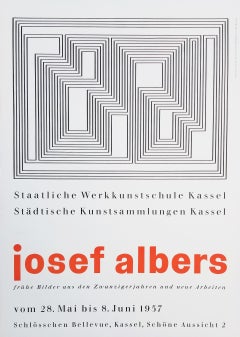
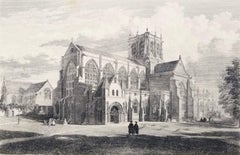
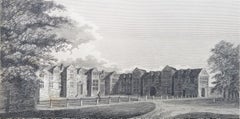
Southwest View of Sherborne Abbey Church /// History of Dorset English Engraving
Located in Saint Augustine, FL
Artist: John Hutchins (English, 1698-1773) Title: "Southwest View of Sherborne Abbey Church" (Plate 15) Portfolio: The History and Antiquities of the County of Dorset Year: 1861-1870...
Category

1860s Victorian Prints and Multiples
Materials

Engraving

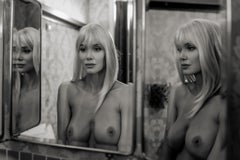
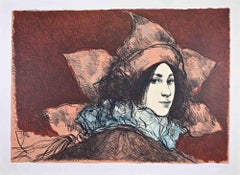
Room 310 - Collector Portfolio # 3 out 7 - 12 Fine Art Prints Nude photography
Located in Brussels, BE
His series "Room" or "My carnival" evokes the fantasy of the mistress, fetishist eroticism, 5 to 7, free fantasy. Eric produces erotic art without ever biting into porn-chic always b...
Category

2010s Contemporary Prints and Multiples
Materials

Rag Paper, Archival Pigment

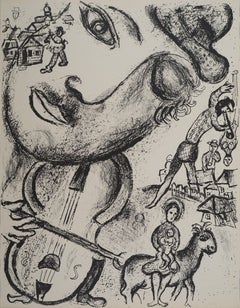
The Circus : Maternity and Violin Player - Original Lithograph (Mourlot #513)
Located in Paris, IDF
Marc Chagall (1887-1985) The Circus : Maternity and Violin Player, 1967 Original lithograph (Mourlot Workshop) On Arches vellum 42 x 32 cm (c. 17 x 13 in) REFERENCE : Catalog ra...
Category

Mid-20th Century Modern Prints and Multiples

Materials

Lithograph

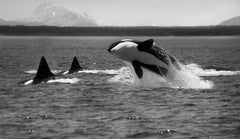
"Orca Breach" 30x50, Black and White Killer Whale Orca Photography, Photograph
Located in Los Angeles, CA
"Orca Breach"- 2017 Salish Sea 30x50 Edition of 10 Signed and numbered by artist Printed on archival paper and using archival inks Shane Russeck has built a reputation for capturi...
Category

21st Century and Contemporary Prints and Multiples

Materials

Archival Pigment

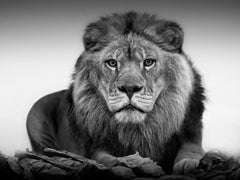
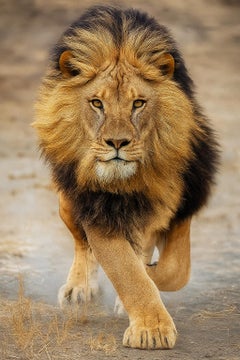
36x48 "Lion Portrait" Black and White Lion Photography, Photograph Unsigned Art
Located in Los Angeles, CA
This is a contemporary photograph of an African Lion. Unsigned Print Archival Pigment print. Framing available. Inquire for rates. FREE SHIPPING Shane Russeck has built a reputa...
Category

21st Century and Contemporary Prints and Multiples

Materials

Archival Pigment

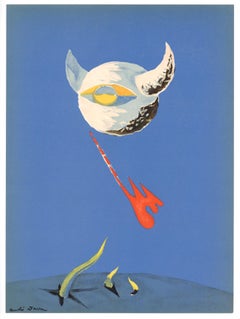
"The Moon" original lithograph
Located in Henderson, NV
Medium: original lithograph. Printed in 1938 and published in Paris by Teriade for the art revue Verve (volume 1, number 2). Andre Masson was invited to contribute an original compos...
Category

1930s Surrealist Prints and Multiples

Materials

Lithograph

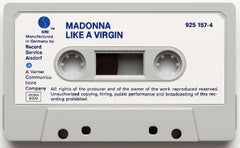
36x49 MODONNA "LIKE A VIRGIN" Cassette Tape Photography Archival Poster Print
Located in Los Angeles, CA
A contemporary photograph of a MODONNA "LIKE A VIRGIN" cassette tape. This is s the first release in the much anticipated series "The Music" by pop Artists Destro These iconic tapes ...
Category

21st Century and Contemporary American Modern Prints and Multiples

Materials

Archival Pigment

Notre-Dame Cathedral from the Seine
Located in Middletown, NY
Etching with drypoint on cream wove paper, 7 x 8 3/4 inches (177 x 223 mm); sheet 10 1/2 x 11 3/4 inches (267 x 300 mm), full margins. Signed V. E. Chapel and numbered 62/250 in penc...
Category

Early 20th Century French School Prints and Multiples

Materials

Etching, Drypoint

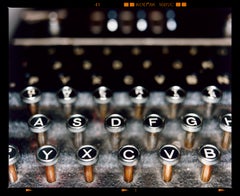
The Enigma Machine, Bletchley Park - British history color photography
Located in Cambridge, GB
Richard Heeps photographed Bletchley Park in partnership with Hertfordshire University and Bletchley Park Trust, to document Alan Turing’s historic past at Bletchley. He was privileg...
Category

Early 2000s Contemporary Prints and Multiples

Materials

Photographic Paper, C Print, Color, Silver Gelatin
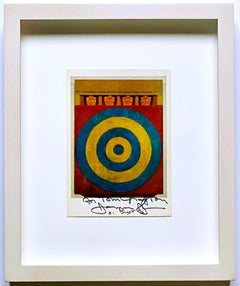
Art Card: Target with Four Faces (Hand signed and inscribed by Jasper Johns)
Located in New York, NY
Jasper Johns Art Card: Target with Four Faces (Hand signed and inscribed by Jasper Johns) Offset lithogaph card, signed, dated and inscribed by Jasper Johns Boldly signed and inscrib...
Category

1970s Pop Art Prints and Multiples

Materials

Postcard

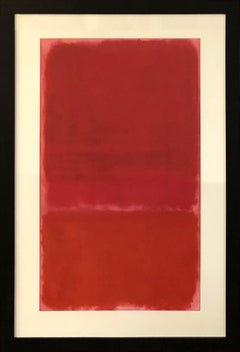
Mark Rothko 'No. 37' Vintage Abstract Framed
By Mark Rothko
Located in Brooklyn, NY
Offset lithograph poster featuring Mark Rothko’s No. 37, a powerful example of his signature exploration of color, form, and emotional depth. The artwork is framed in a black wood fr...
Category

1990s American Modern Prints and Multiples

Materials

Offset

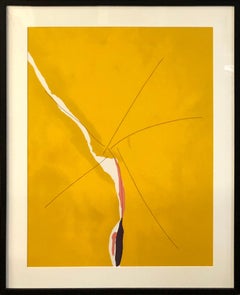
Helen Frankenthaler 'Sesame' Vintage
Located in Brooklyn, NY
Silkscreen poster featuring Helen Frankenthaler’s Sesame, showcasing her expressive use of color and fluid form that helped define postwar American abstraction. The artwork is presen...
Category

1990s American Modern Prints and Multiples

Materials

Screen

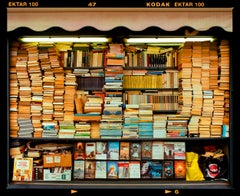
Karma, Milan - Italian bookshop street photography
Located in Cambridge, GB
Karma, street photography from Richard Heeps series, A Short History of Milan. 'A Short History of Milan' began in November 2018 for a special project featured at the Affordable Art...
Category

2010s Contemporary Prints and Multiples

Materials

Photographic Paper, C Print, Color, Silver Gelatin
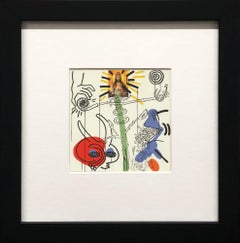
Keith Haring Apocalypse XII Pop Art
Located in Brooklyn, NY
Vintage offset lithograph postcard published by Art Unlimited Amsterdam. Printed in Holland. The postcard is framed in a black wood frame with a front profile of 1 inch and a side pr...
Category

1980s Pop Art Prints and Multiples

Materials

Offset

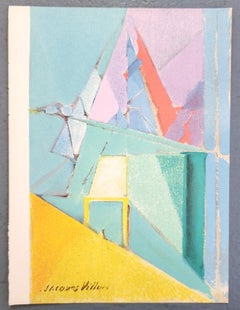
"Intimite" (Mourlot, Paris, Master Printer - 70% OFF LIST PRICE - LIMITED TIME)
Located in Kansas City, MO
Jacques Villon Intimite 1964 Original Reproduction of a Gouache on Velin d'Arches Size: 10x7.375in Signed in the stone Edition: 2,000 Annotated verso Publisher: Mourlot, Paris Printe...
Category

1960s Modern Prints and Multiples

Materials

Vellum

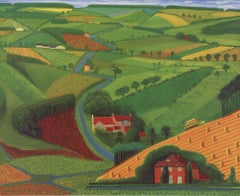
David Hockney 'The Road Across the Wolds' 1997
Located in Brooklyn, NY
The Road Across the Wolds reflects David Hockney’s lifelong connection to the Yorkshire landscape, with sweeping roads, undulating fields, and expansive skies that evoke both movemen...
Category

1990s Prints and Multiples

Materials

Offset

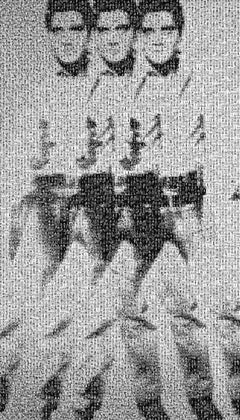
64x48 "Triple Elvis by Warhol" Photomosaic Pop Fine Art Photography
Located in Los Angeles, CA
"TRIPLE ELVIS BY ANDY WARHOL" is a photomosaic artwork by Destro. Destro has created large prints which are made up of many hundreds of smaller images. Archival photographic paper ...
Category

21st Century and Contemporary American Modern Prints and Multiples

Materials

Archival Pigment

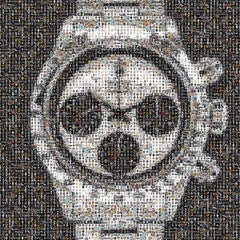
Rolex Daytona 30x30 6263 Paul Newman Photomosaic Photography Fine Art
Located in Los Angeles, CA
"Newman" is an acrylic photomosaic artwork by Destro. The first release in a series mosaic works called "Icons". Destro has created large prints which are made up of many hundreds o...
Category

21st Century and Contemporary American Modern Prints and Multiples

Materials

Archival Pigment

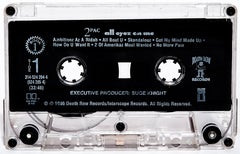
30x50 Tupac Shakur 2pac "All Eyez On Me" Cassette Photography Pop Art Photograph
Located in Los Angeles, CA
A contemporary photograph of 2Pacs iconic "All eyez on me" cassette tape. This is s the first release in the much anticipated series "The Music" by pop Artists Destro These iconic ta...
Category

21st Century and Contemporary American Modern Prints and Multiples

Materials

Archival Pigment

64x48 Color Lion Photography Print "Panthera Leo" Photograph 1stDibs Exclusive
Located in Los Angeles, CA
This is a contemporary photograph of an African Lion shot by Shane Russeck Thsi is a color uncropped version of Panthera Lea. 1stDibs Exclusive 64x48 Unsigned Edition Printed on Ar...
Category

21st Century and Contemporary Prints and Multiples

Materials

Archival Pigment

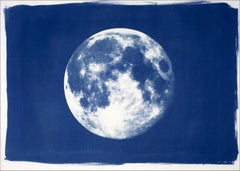
Full Blue Moon, Handmade Cyanotype on Watercolor Paper, Cosmos, Deep Blue Space
Located in Barcelona, ES
This is an exclusive handprinted limited edition cyanotype. "Blue Moon" shows an outstanding full moon with all its details. Details: + Title: Blue Moon + Year: 2022 + Edition Size...
Category

2010s Realist Prints and Multiples

Materials

Emulsion, Watercolor

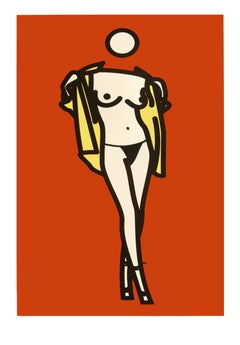
Opie-Woman Taking Off Man’s Shirt Pop Art
Located in Brooklyn, NY
This reproduction of Julian Opie's phenomenal image, titled Woman Taking Off Man’s Shirt, captures the striking and distinctive style for which the artist is renowned. Originally pri...
Category

Late 20th Century Contemporary Prints and Multiples

Materials

Screen

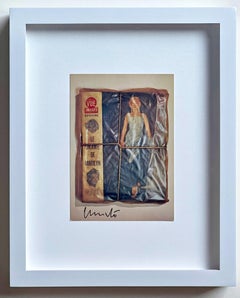
Art Card: Marilyn Monroe (Revues Empaquetees), 1962, (Hand Signed by Christo)
Located in New York, NY
Christo and Jeanne-Claude Art Card: Wrapped Magazines with Marilyn Monroe (Revues Empaquetees), 1962, (Hand Signed by Christo), 1991 Offset lithograph postcard (hand signed by Christ...
Category

1990s Pop Art Prints and Multiples

Materials

Postcard

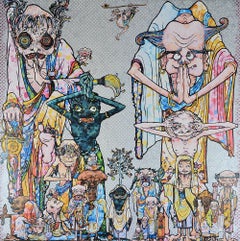
TAKASHI MURAKAMI: Clairvoyance - Hand signed & numbered. Superflat, Pop Art
Located in Madrid, Madrid
CLAIRVOYANCE Date of creation: 2016 Medium: Offset lithograph with silver on paper Edition number: 185/300 Size: 68 x 68 cm Observations: Offset lithograph with silver on paper hand ...
Category

2010s Pop Art Prints and Multiples

Materials

Varnish, Lithograph, Offset

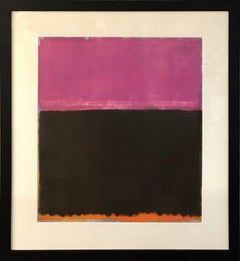
Mark Rothko 'Pink, Black, Orange, 1953' Mid Century Modern
By Mark Rothko
Located in Brooklyn, NY
Poster advertising the National Gallery of Art, Washington, featuring Mark Rothko’s Pink, Black, Orange (1953). This iconic work showcases Rothko's signature use of color and depth, ...
Category

1990s American Modern Prints and Multiples

Materials

Offset

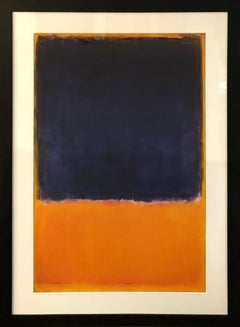
Mark Rothko 'Untitled, 1950' Vintage
By Mark Rothko
Located in Brooklyn, NY
Offset lithograph poster featuring Mark Rothko’s Untitled (1950), exemplifying the artist’s iconic color field style and emotive abstraction. The piece is framed in a black wood fram...
Category

1990s American Modern Prints and Multiples

Materials

Offset

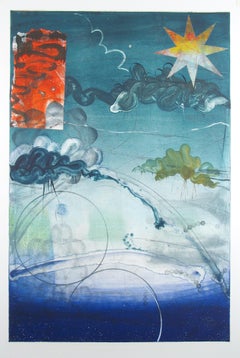
Pilot's Notion Five - Geometric Abstract Monotype Red Yellow Star Blue, 2002
Located in Kent, CT
This contemporary geometric abstract monotype on archival paper layers shapes on a blue background transitioning from deep cobalt on the bottom to teal at the top. A red orange recta...
Category

Early 2000s Contemporary Prints and Multiples

Materials

Archival Paper, Monotype

'Mural on Houston', Hand Signed by Haring, Subway Drawings, New York, Pop Art
Located in Santa Cruz, CA
Hand signed by the artist in felt pen, upper center, 'K. Haring' for Keith Haring (American, 1958-1990), circa 1982. A postcard titled, 'Mural, Houston at Bowery, New York City, July...
Category

1980s Pop Art Prints and Multiples

Materials

Offset, Postcard

Delft Blue
Located in New York, NY
Sila Sehrazat Yucel is a talented artist based in Istanbul. Her background in landscape and interior architecture shapes her creative vision. With experience as an art director in ci...
Category

2010s Contemporary Prints and Multiples

Materials

Archival Pigment

36x48 "Jaws" VHS Photo Photography Pop Art Fine Art Print Signed
Located in Los Angeles, CA
"The VHS" by pop Artist Destro. We all remember those iconic nights at the video store. Pop artist DESTRO once again encapsulates one of our favorite past times in a fine art con...
Category

21st Century and Contemporary American Modern Prints and Multiples

Materials

Archival Pigment

Live Each Day As If It Were Your First
Located in Manchester, GB
David Shrigley, I Can Sing For You, 2022 Hand-signed and dated on the reverse Edition 76 of 125 75 x 56 cm Screenprint in colours Private Collection UK
Category

2010s Contemporary Prints and Multiples

Materials

Screen

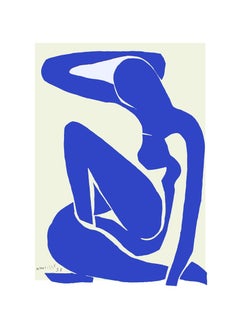
Henri Matisse 'Blue Nude I'- Serigraph Mid Century, Vintage
Located in Brooklyn, NY
This second edition of Henri Matisse’s Blue Nude I is an authorized open-edition print, recreated with the permission of the Estate of Henri Matisse. The exceptional print quality pr...
Category

Early 2000s Modern Prints and Multiples

Materials

Screen

Anthropométrie (ANT 83)
Located in Paris, FR
Lithograph, 2001 Edition : 200 ex. Publisher : T.A.T. Arts, Paris 61.00 cm. x 90.00 cm. 24.02 in. x 35.43 in. (paper) Not signed Certificate of authenticity BFK Rives paper A few s...
Category

Early 2000s Abstract Prints and Multiples

Materials

Lithograph

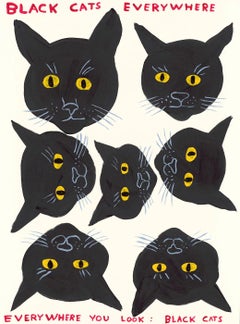
DAVID SHRIGLEY - BLACK CATS EVERYWHERE. Modern Design British Artist Blue
Located in Madrid, Madrid
DAVID SHRIGLEY - Black Cats Everywhere Date of creation: 2021 Medium: 12 colour screenprint on Somerset satin paper Edition: 125 Size: 75 x 56 cm Condition: Brand new, in mint cond...
Category

1970s Modern Prints and Multiples

Materials

Paper, Screen

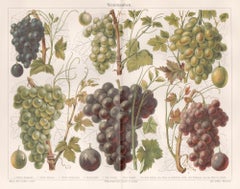
Grapes, German antique botanical fruit chromolithograph print. Wine interest.
Located in Melbourne, Victoria
'Weintrauben' (Grapes) German chromolithograph, circa 1910. Key in German to the varieties at the bottom of the image. Central vertical fold as issued. 245mm by 305mm (sheet)
Category

Early 20th Century Naturalistic Prints and Multiples

Materials

Lithograph

Andre Derain, The Two Hangars, 1970 (after)
Located in Southampton, NY
This exquisite lithograph after Andre Derain (1880–1954), titled Les deux hangars (The Two Hangars), from the folio Andre Derain entre 1935 et 1949, V (Andre Derain between 1935 and ...
Category

1970s Fauvist Prints and Multiples

Materials

Lithograph

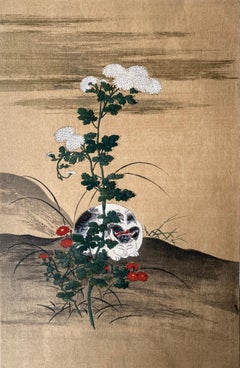
Authentic Japanese Woodblock Print-White Cat-Hanabusa Itchō-Edo-Re-carved 1920s
Located in London, GB
This rare Original 1920s authentic print is a Taisho Period Woodblock print published from the Japan 1920's The Nippon Mokuhan Gasui, Masterpieces Series.; it is authentically hand ...
Category

1920s Edo Prints and Multiples

Materials

Ink, Handmade Paper

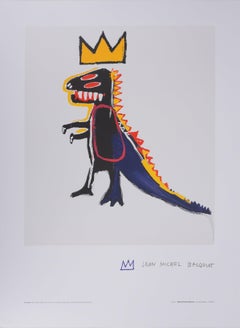
Crowned T-Rex (Pez Dispenser) - Lithograph, 1997
Located in Paris, IDF
Jean-Michel Basquiat (1960-1988) Crowned T-Rex, 1997 Lithograph Printed signature in the plate On paper 76 x 56 cm (c. 29.9 x 22 in) Published by Galerie Enrico Navarra Authentica...
Category

1990s American Modern Prints and Multiples

Materials

Lithograph

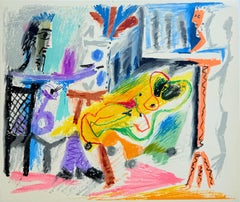
Peintre et modèle
Located in OPOLE, PL
Pablo Picasso (1881-1973) - Peintre et modèle Lithograph from 1965. Dimensions of work: 23 x 27 cm Reference: Cramer 130 The work is in Excellent condition. Fast and secure ship...
Category

1960s Modern Prints and Multiples

Materials

Lithograph

Jacqueline
Located in OPOLE, PL
Pablo Picasso (1881-1973) - Jacqueline Lithograph with quadrochromy from 1961. Dimensions of sheet: 27 x 37.9 cm Dimensions in frame: 43.2 x 53.2 cm Publisher: Éditions Cercle d'...
Category

1960s Modern Prints and Multiples

Materials

Lithograph

Don Quichote
Located in OPOLE, PL
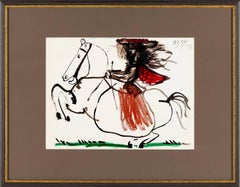
Pablo Picasso (1881-1973) - Don Quichote Lithograph with quadrochromy from 1961. Dimensions of sheet: 37.9 x 27 cm Dimensions in frame: 53.2 x 43.2 cm Publisher: Éditions Cercle ...
Category

1960s Modern Prints and Multiples

Materials

Lithograph

Pablo Picasso, The Ostrich, from Natural History, 1970 (after)
Located in Southampton, NY
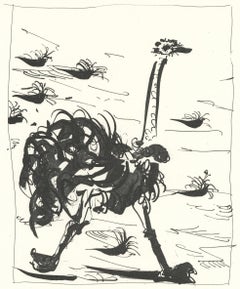
This exquisite lithograph after Pablo Picasso (1881–1973), titled L'Autruche (The Ostrich), from the folio Picasso, Eaux-fortes originales pour des textes de Buffon, Histoire naturel...
Category

1970s Cubist Prints and Multiples

Materials

Lithograph

Joan Miro, Blue II, from Miro 1959–1960, 1961 (after)
Located in Southampton, NY
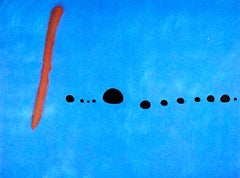
This exquisite lithograph and pochoir after Joan Miro (1893–1983), titled Bleu II (Blue II), from the album Miro 1959–1960 (Miro 1959–1960), originates from the 1961 edition published by Pierre Matisse Gallery, New York, rendered by Daniel Jacomet, Paris, and printed by Daniel Jacomet et Cie, Paris, 1961. Bleu II embodies Miro’s exploration of pure chromatic expression and spatial rhythm, using the intensity of blue to evoke depth, movement, and poetic emotion. The composition reflects his mastery of balance between form and void, symbolizing infinite freedom and the transcendence of the imagination. Executed as a lithograph and pochoir on velin paper, this work measures 11.5 x 18.48 inches, with centerfold as issued. Unsigned and unnumbered as issued. The edition exemplifies the refined craftsmanship of Daniel Jacomet et Cie, Paris, one of France’s foremost studios specializing in pochoir and fine art printmaking. Artwork Details: Artist: After Joan Miro (1893–1983) Title: Bleu II (Blue II), from the album Miro 1959–1960 (Miro 1959–1960), 1961 Medium: Lithograph and pochoir on velin paper Dimensions: 11.5 x 18.48 inches (29.2 x 46.9 cm), with centerfold as issued Inscription: Unsigned and unnumbered as issued Date: 1961 Publisher: Pierre Matisse Gallery, New York Renderer: Daniel Jacomet, Paris Printer: Daniel Jacomet et Cie, Paris Catalogue raisonne references: Cramer, Patrick, and Joan Miro. Joan Miro, Catalogue Raisonne Des Livres Illustres. P. Cramer, 1989, illustration 69. Dupin, Jacques, and Joan Miro. Miro Engraver 1961–1973. Rizzoli, 1989, illustration 292. Miro, Joan. Joan Miro, Lithographe II, 1953–1963. Joan Miro, Lithographe, Maeght, 1975, illustration 286–294. Condition: Well preserved, consistent with age and medium Provenance: From the album Miro 1959–1960 (Miro 1959–1960), published by Pierre Matisse Gallery, New York; rendered by Daniel Jacomet, Paris; printed by Daniel Jacomet et Cie, Paris, 1961 Notes: Excerpted from the album (translated from French), It was taken from this album: XXVIII examples with II original lithographs and an etching and VI suites, numbered from I to XXV; LXXX examples with II original lithographs and an etching, numbered from XXVI to LXXV; MCC examples, numbered from I to MCC. This album was made and presented for the exhibition of the artist's works at the Gallery Pierre Matisse, New York, October 31 - November 25, 1961. About the Publication: Miro 1959–1960 (Miro 1959–1960), published in 1961 by Pierre Matisse Gallery, New York, with pochoirs rendered by Daniel Jacomet, Paris, accompanied the landmark exhibition of Miro’s paintings and graphic works held at the Pierre Matisse Gallery from October 31 to November 25, 1961. The album captures the spirit of Miro’s late 1950s and early 1960s output—a period characterized by liberated brushwork, symbolic abstraction, and radiant chromatic experimentation. Printed by Daniel Jacomet et Cie, Paris, in collaboration with Fernand Mourlot for the original lithographs, the volume reflects the exceptional precision and artistry of French printmaking at its height. Designed to evoke the immediacy of Miro’s painted surfaces, the pochoirs and lithographs maintain a tactile richness and vibrancy that honor the original works. This publication stands among Miro’s most celebrated printed albums, marking a pivotal moment in his continued dialogue between materiality, imagination, and cosmic lyricism. About the Artist: Joan Miro (1893–1983) was a Catalan painter, sculptor, printmaker, and ceramicist whose visionary imagination and lyrical abstraction made him one of the most influential and beloved artists of the 20th century. Born in Barcelona, Miro drew inspiration from Catalan folk art, Romanesque frescoes, and the luminous landscapes of Mont-roig del Camp, developing a deep connection to nature that infused his work with vitality and symbolism. After formal training at the Escola d'Art in Barcelona, he absorbed the lessons of Post-Impressionism and Cubism before moving to Paris in the early 1920s, where he became a leading figure in the Surrealist movement. There, Miro forged a personal visual language of biomorphic shapes, floating symbols, and radiant color harmonies that reflected both spontaneity and spiritual depth. In creative dialogue with peers such as Alexander Calder, Alberto Giacometti, Salvador Dali, Wassily Kandinsky, Marcel Duchamp, and Man Ray, he helped revolutionize modern art by dissolving the boundaries between abstraction and dream imagery. Miro's inventive approach extended far beyond painting, embracing sculpture, ceramics, and monumental public commissions that redefined how art could interact with space and emotion. His expressive freedom and gestural abstraction profoundly influenced later artists including Jackson Pollock, Mark Rothko, Alexander Calder, Jean Dubuffet, Antoni Tapies, and Joan Mitchell, inspiring generations who sought to merge instinct, color, and imagination. Today, Miro's work remains a cornerstone of modernism, prized by collectors and celebrated in major museums worldwide. His highest auction record was achieved by Peinture (Etoile Bleue) (1927), which sold for 23,561,250 GBP (approximately 37 million USD) at Sotheby's, London, on June 19, 2012. After Joan Miro Bleu II, Miro 1959–1960, Miro Pierre Matisse Gallery, Miro Daniel Jacomet, Miro pochoir...
Category

1960s Surrealist Prints and Multiples

Materials

Lithograph

INK ROR TABLES
By Rorschach
Located in Slovak Republic, SK
Ten Rorschach tables, framed in high quality black frames under art glass. Could be purchased as one item all 10/or individually per pieces's. Price is different for the item 10 piec...
Category

20th Century Abstract Prints and Multiples

Materials

Paper

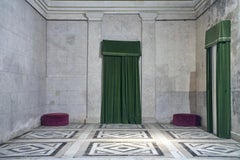
Napoleon Bonaparte II - interior photograph of elegant French palace villa
Located in San Francisco, CA
Large scale photograph of elegant interior view of the French revolutionary ballroom in the Villa Napoleone in Elba, Tuscany. Napoleon Bonaparte II (2025) by Frank Schott 48 x 72 i...
Category

21st Century and Contemporary Contemporary Prints and Multiples

Materials

Archival Ink, Archival Paper, Photographic Paper, Giclée, Archival Pigment
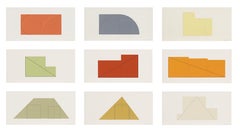
Multiple Panel Paintings 1973-1976, Edition C
Located in Houston, TX
Robert Mangold Multiple Panel Paintings 1973-1976, Edition C, 1992 Suite of nine screenprints on Fabriano paper 11 3/4 x 24 in (2880.4 x 61 cm) Edition of 300
Category

Late 20th Century Abstract Geometric Prints and Multiples

Materials

Screen

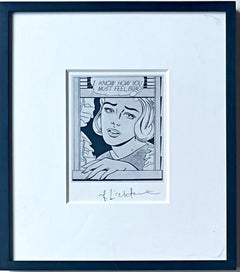
"I Know How You Made Me Feel, Brad!", VIP invitation to MoMA show, Hand Signed
Located in New York, NY
Roy Lichtenstein VIP Invitation to Museum of Modern Art black tie preview of the exhibition "The Drawings of Roy Lichtenstein" Offset lithograph on Coronado Opaque SST Cover paper Boldly signed in black marker on the front The front of the fold out invitation card depicts Roy Lichtenstein's 1963 pencil pochoir “I Know How You Must Feel Brad” This print was published by the Museum of Modern Art as an invitation to an exclusive VIP preview of the exhibition "The Drawings of Roy Lichtenstein." The artist signed the card in person at the event. This work has been elegantly framed in a museum quality wood frame under UV Plexiglass with a die cut window to reveal the text from inside the MoMA fold-out invitation card, which expressly states that the artist will be present at the VIP event. A true vintage collectors item when hand signed by Roy Lichtenstein, as the present work Measurements: Framed 13.5 inches vertical by 12 horizontal by 1.5 Artwork 6 inches by 4 inches Roy Lichtenstein Biography Roy Lichtenstein was one of the most influential and innovative artists of the second half of the twentieth century. He is preeminently identified with Pop Art, a movement he helped originate, and his first fully achieved paintings were based on imagery from comic strips and advertisements and rendered in a style mimicking the crude printing processes of newspaper reproduction. These paintings reinvigorated the American art scene and altered the history of modern art. Lichtenstein’s success was matched by his focus and energy, and after his initial triumph in the early 1960s, he went on to create an oeuvre of more than 5,000 paintings, prints, drawings, sculptures, murals and other objects celebrated for their wit and invention. Roy Fox Lichtenstein was born on October 27, 1923, in New York City, the first of two children born to Milton and Beatrice Werner Lichtenstein. Milton Lichtenstein (1893–1946) was a successful real estate broker, and Beatrice Lichtenstein (1896–1991), a homemaker, had trained as a pianist, and she exposed Roy and his sister Rénee to museums, concerts and other aspects of New York culture. Roy showed artistic and musical ability early on: he drew, painted and sculpted as a teenager, and spent many hours in the American Museum of Natural History and the Museum of Modern Art. He played piano and clarinet, and developed an enduring love of jazz, frequenting the nightspots in Midtown to hear it. Lichtenstein attended the Franklin School for Boys, a private junior high and high school, and was graduated in 1940. That summer he studied painting and drawing from the model at the Art Students League of New York with Reginald Marsh. In September he entered Ohio State University (OSU) in Columbus in the College of Education. His early artistic idols were Rembrandt, Daumier and Picasso, and he often said that Guernica (1937; Museo Reina Sofía, Madrid), then on long-term loan to the Museum of Modern Art, was his favorite painting. Even as an undergraduate, Lichtenstein objected to the notion that one set of lines (one person’s drawings) “was considered brilliant, and somebody’s else’s, that may have looked better to you, was considered nothing by almost everyone.”i Lichtenstein’s questioning of accepted canons of taste was encouraged by Hoyt L. Sherman, a teacher whom he maintained was the person who showed him how to see and whose perception-based approach to art shaped his own. In February 1943, Lichtenstein was drafted, and he was sent to Europe in 1945. As part of the infantry, he saw action in France, Belgium and Germany. He made sketches throughout his time in Europe and, after peace was declared there, he intended to study at the Sorbonne. Lichtenstein arrived in Paris in October 1945 and enrolled in classes in French language and civilization, but soon learned that his father was gravely ill. He returned to New York in January 1946, a few weeks before Milton Lichtenstein died. In the spring of that year, Lichtenstein went back to OSU to complete his BFA and in the fall he was invited to join the faculty as an instructor. In June 1949, he married Isabel Wilson Sarisky (1921–80), who worked in a cooperative art gallery in Cleveland where Lichtenstein had exhibited his work. While he was teaching, Lichtenstein worked on his master’s degree, which he received in 1949. During his second stint at OSU, Lichtenstein became closer to Sherman, and began teaching his method on how to organize and unify a composition. Lichtenstein remained appreciative of Sherman’s impact on him. He gave his first son the middle name of “Hoyt,” and in 1994 he donated funds to endow the Hoyt L. Sherman Studio Art Center at OSU. In the late 1940s and early 1950s, Lichtenstein began working in series and his iconography was drawn from printed images. His first sustained theme, intimate paintings and prints in the vein of Paul Klee that poked lyrical fun at medieval knights, castles and maidens, may well have been inspired by a book about the Bayeux Tapestry. Lichtenstein then took an ironic look at nineteenth-century American genre paintings he saw in history books, creating Cubist interpretations of cowboys and Indians spiked with a faux-primitive whimsy. As with his most celebrated Pop paintings of the 1960s, Lichtenstein gravitated toward what he would characterize as the “dumbest” or “worst” visual item he could find and then went on to alter or improve it. In the 1960s, commercial art was considered beneath contempt by the art world; in the early 1950s, with the rise of Abstract Expressionism, nineteenth-century American narrative and genre paintings were at the nadir of their reputation among critics and collectors. Paraphrasing, particularly the paraphrasing of despised images, became a paramount feature of Lichtenstein’s art. Well before finding his signature mode of expression in 1961, Lichtenstein called attention to the artifice of conventions and taste that permeated art and society. What others dismissed as trivial fascinated him as classic and idealized—in his words, “a purely American mythological subject matter.”ii Lichtenstein’s teaching contract at OSU was not renewed for the 1951–52 academic year, and in the autumn of 1951 he and Isabel moved to Cleveland. Isabel Lichtenstein became an interior decorator specializing in modern design, with a clientele drawn from wealthy Cleveland families. Whereas her career blossomed, Lichtenstein did not continue to teach at the university level. He had a series of part-time jobs, including industrial draftsman, furniture designer, window dresser and rendering mechanical dials for an electrical instrument company. In response to these experiences, he introduced quirkily rendered motors, valves and other mechanical elements into his paintings and prints. In 1954, the Lichtensteins’ first son, David, was born; two years later, their second child, Mitchell, followed. Despite the relative lack of interest in his work in Cleveland, Lichtenstein did place his work with New York dealers, which always mattered immensely to him. He had his first solo show at the Carlebach Gallery in New York in 1951, followed by representation with the John Heller Gallery from 1952 to 1957. To reclaim his academic career and get closer to New York, Lichtenstein accepted a position as an assistant professor at the State University of New York at Oswego, in the northern reaches of the state. He was hired to teach industrial design, beginning in September 1957. Oswego turned out to be more geographically and aesthetically isolated than Cleveland ever was, but the move was propitious, for both his art and his career. Lichtenstein broke away from representation to a fully abstract style, applying broad swaths of pigment to the canvas by dragging the paint across its surface with a rag wrapped around his arm. At the same time, Lichtenstein was embedding comic-book characters figures such as Mickey Mouse and Donald Duck in brushy, expressionistic backgrounds. None of the proto-cartoon paintings from this period survive, but several pencil and pastel studies from that time, which he kept, document his intentions. Finally, when he was in Oswego, Lichtenstein met Reginald Neal, the new head of the art department at Douglass College, the women’s college of Rutgers University, in New Brunswick, New Jersey. The school was strengthening and expanding its studio art program, and when Neal needed to add a faculty member to his department, Lichtenstein was invited to apply for the job. Lichtenstein was offered the position of assistant professor, and he began teaching at Douglass in September 1960. At Douglass, Lichtenstein was thrown into a maelstrom of artistic ferment. With New York museums and galleries an hour away, and colleagues Geoffrey Hendricks and Robert Watts at Douglass and Allan Kaprow and George Segal at Rutgers, the environment could not help but galvanize him. In June 1961, Lichtenstein returned to the idea he had fooled around with in Oswego, which was to combine cartoon characters from comic books with abstract backgrounds. But, as Lichtenstein said, “[I]t occurred to me to do it by mimicking the cartoon style without the paint texture, calligraphic line, modulation—all the things involved in expressionism.”iii Most famously, Lichtenstein appropriated the Benday dots, the minute mechanical patterning used in commercial engraving, to convey texture and gradations of color—a stylistic language synonymous with his subject matter. The dots became a trademark device forever identified with Lichtenstein and Pop Art. Lichtenstein may not have calibrated the depth of his breakthrough immediately but he did realize that the flat affect and deadpan presentation of the comic-strip panel blown up and reorganized in the Sherman-inflected way “was just so much more compelling”iv than the gestural abstraction he had been practicing. Among the first extant paintings in this new mode—based on comic strips and illustrations from advertisements—were Popeye and Look Mickey, which were swiftly followed by The Engagement Ring, Girl with Ball and Step-on Can with Leg. Kaprow recognized the energy and radicalism of these canvases and arranged for Lichtenstein to show them to Ivan Karp, director of the Leo Castelli Gallery. Castelli was New York’s leading dealer in contemporary art, and he had staged landmark exhibitions of Jasper Johns and Robert Rauschenberg in 1958 and Frank Stella in 1960. Karp was immediately attracted to Lichtenstein’s paintings, but Castelli was slower to make a decision, partly on account of the paintings’ plebeian roots in commercial art, but also because, unknown to Lichtenstein, two other artists had recently come to his attention—Andy Warhol and James Rosenquist—and Castelli was only ready for one of them. After some deliberation, Castelli chose to represent Lichtenstein, and the first exhibition of the comic-book paintings was held at the gallery from February 10 to March 3, 1962. The show sold out and made Lichtenstein notorious. By the time of Lichtenstein’s second solo exhibition at Castelli in September 1963, his work had been showcased in museums and galleries around the country. He was usually grouped with Johns, Rauschenberg, Warhol, Rosenquist, Segal, Jim Dine, Claes Oldenburg, Robert Indiana and Tom Wesselmann. Taken together, their work was viewed as a slap in the face to Abstract Expressionism and, indeed, the Pop artists shifted attention away from many members of the New York School. With the advent of critical and commercial success, Lichtenstein made significant changes in his life and continued to investigate new possibilities in his art. After separating from his wife, he moved from New Jersey to Manhattan in 1963; in 1964, he resigned from his teaching position at Douglass to concentrate exclusively on his work. The artist also ventured beyond comic book subjects, essaying paintings based on oils by Cézanne, Mondrian and Picasso, as well as still lifes and landscapes. Lichtenstein became a prolific printmaker and expanded into sculpture, which he had not attempted since the mid-1950s, and in both two- and three-dimensional pieces, he employed a host of industrial or “non-art” materials, and designed mass-produced editioned objects that were less expensive than traditional paintings and sculpture. Participating in one such project—the American Supermarket show in 1964 at the Paul Bianchini Gallery, for which he designed a shopping bag—Lichtenstein met Dorothy Herzka (b. 1939), a gallery employee, whom he married in 1968. The late 1960s also saw Lichtenstein’s first museum surveys: in 1967 the Pasadena Art Museum initiated a traveling retrospective, in 1968 the Stedelijk Musem in Amsterdam presented his first European retrospective, and in 1969 he had his first New York retrospective, at the Solomon R. Guggenheim Museum. Wanting to grow, Lichtenstein turned away from the comic book subjects that had brought him prominence. In the late 1960s his work became less narrative and more abstract, as he continued to meditate on the nature of the art enterprise itself. He began to explore and deconstruct the notion of brushstrokes—the building blocks of Western painting. Brushstrokes are conventionally conceived as vehicles of expression, but Lichtenstein made them into a subject. Modern artists have typically maintained that the subject of a painting is painting itself. Lichtenstein took this idea one imaginative step further: a compositional element could serve as the subject matter of a work and make that bromide ring true. The search for new forms and sources was even more emphatic after 1970, when Roy and Dorothy Lichtenstein bought property in Southampton, New York, and made it their primary residence. During the fertile decade of the 1970s, Lichtenstein probed an aspect of perception that had steadily preoccupied him: how easily the unreal is validated as the real because viewers have accepted so many visual conceptions that they don’t analyze what they see. In the Mirror series, he dealt with light and shadow upon glass, and in the Entablature series, he considered the same phenomena by abstracting such Beaux-Art architectural elements as cornices, dentils, capitals and columns. Similarly, Lichtenstein created pioneering painted bronze sculpture that subverted the medium’s conventional three-dimensionality and permanence. The bronze forms were as flat and thin as possible, more related to line than volume, and they portrayed the most fugitive sensations—curls of steam, rays of light and reflections on glass. The steam, the reflections and the shadow were signs for themselves that would immediately be recognized as such by any viewer. Another entire panoply of works produced during the 1970s were complex encounters with Cubism, Futurism, Purism, Surrealism and Expressionism. Lichtenstein expanded his palette beyond red, blue, yellow, black, white and green, and invented and combined forms. He was not merely isolating found images, but juxtaposing, overlapping, fragmenting and recomposing them. In the words of art historian Jack Cowart, Lichtenstein’s virtuosic compositions were “a rich dialogue of forms—all intuitively modified and released from their nominal sources.”v In the early 1980s, which coincided with re-establishing a studio in New York City, Lichtenstein was also at the apex of a busy mural career. In the 1960s and 1970s, he had completed four murals; between 1983 and 1990, he created five. He also completed major commissions for public sculptures in Miami Beach, Columbus, Minneapolis, Paris, Barcelona and Singapore. Lichtenstein created three major series in the 1990s, each emblematic of his ongoing interest in solving pictorial problems. The Interiors, mural-sized canvases inspired by a miniscule advertisement in an Italian telephone...
Category

1980s Pop Art Prints and Multiples

Materials

Lithograph, Offset

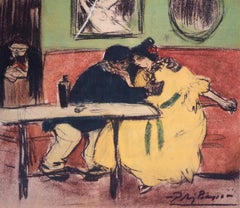
Pablo Picasso, The Divan, The Blues of Barcelona, 1963 (after)
Located in Southampton, NY
This exquisite lithograph and pochoir after Pablo Picasso (1881–1973), titled Le divan (The Divan), from the folio Les Bleus de Barcelone, 12 aquarelles et pastels (The Blues of Barc...
Category

1960s Modern Prints and Multiples

Materials

Lithograph, Stencil

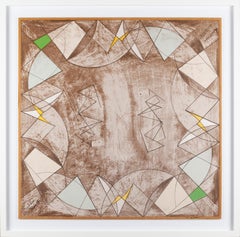
Landscape Sculpture
Located in Columbia, MO
Framed silk scarf/screenprint by Ascher after an original work by Barbara Hepworth. With printed signature "Barabara Hepworth" lower left, and "by Ascher" in bottom right. Handwritte...
Category

20th Century Abstract Prints and Multiples

Materials

Screen

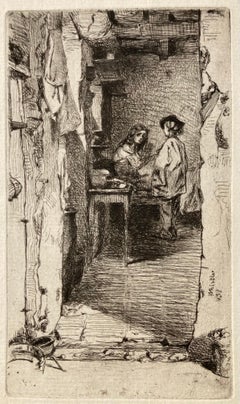
THE RAG GATHERERS
Located in Santa Monica, CA
JAMES ABBOTT McNEILL WHISTLER (1834-1903) THE RAG GATHERERS 1858 (Glasgow 29 v/v, - K.23) Etching on laid paper, signed and dated in the plate, image 5 7/8” x 3 ½”, full sheet 8 x...
Category

1850s Impressionist Prints and Multiples

Materials

Etching

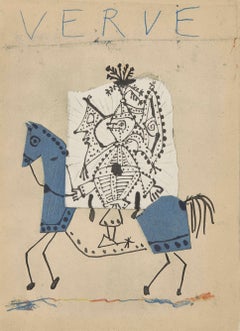
Pablo Picasso, The Blue Rider, from Verve, Revue Artistique, 1951
Located in Southampton, NY
This exquisite lithograph by Pablo Picasso (1881–1973), titled Le cavalier bleu (The Blue Rider), from Verve, Revue Artistique et Litteraire, Vol. VII, No. 25–26, originates from the...
Category

1950s Cubist Prints and Multiples

Materials

Lithograph

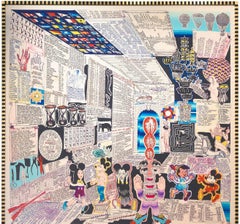
Códice Miguelito III
Located in Cuauhtemoc, Ciudad de México
-Pedro Friedeberg signed print featuring a fantastical architectural scene inspired by “Mickey”. Includes whimsical figures, optical art elements, and surreal details. framed in a ha...
Category

2010s Surrealist Prints and Multiples

Materials

Giclée

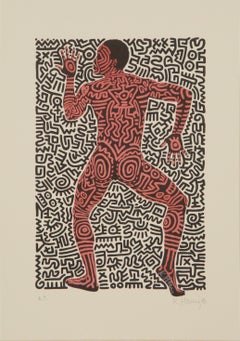
Keith Haring ( American, 1958 - 1990 ) Pop Art Limited Edition Lithograph
Located in New York, NY
Medium: Limited Edition Lithograph Style: Pop Art Painting Size: 9 x 6 inches Frame Size: 11.75 x 8.25 inches Condition: This artwork is in great condition for its age. Signature: ...
Category

21st Century and Contemporary Prints and Multiples

Materials

Paper, Etching

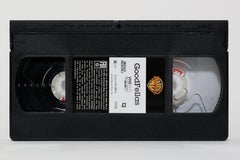
36x48 "Goodfellas" VHS Photo Photography Pop Art Photograph Fine Art Print
Located in Los Angeles, CA
"The VHS" by pop Artist Destro. We all remember those iconic nights at the video store. Pop artist DESTRO once again encapsulates one of our favorite past times in a fine art con...
Category

21st Century and Contemporary American Modern Prints and Multiples

Materials

Archival Pigment

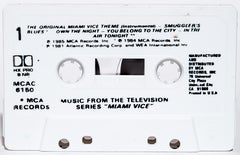
Miami Vice Soundtrack Cassette Photograph 40x60 Pop Art Photography, Unsinged
Located in Los Angeles, CA
A contemporary photograph of 2Pacs iconic "Miami Vice" soundtrack cassette tape. This is s the first release in the much anticipated series "The Music" by pop Artists Destro These ic...
Category

21st Century and Contemporary American Modern Prints and Multiples

Materials

Archival Pigment

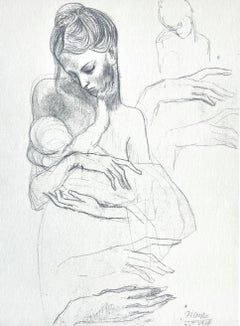
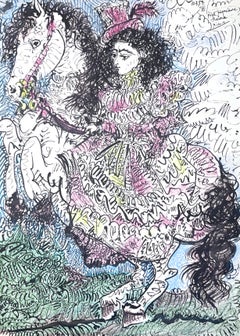
Pablo Picasso, Mother and Child, from Fifteen Drawings, 1946 (after)
Located in Southampton, NY
This exquisite lithograph and pochoir after Pablo Picasso (1881–1973), titled Mother and Child, from the folio Picasso, Fifteen Drawings, 1946, originates from the 1946 edition published by Pantheon Books, Inc., New York, and rendered and printed by Albert Carman, City Island, New York, 1946. Mother and Child conveys Picassos timeless exploration of tenderness, intimacy, and the human bond, distilling the universal theme of maternal love through graceful line and lyrical composition. With rhythmic simplicity and emotional clarity, the work captures the purity of affection and the quiet strength of motherhood—an enduring motif throughout Picassos artistic life. Executed as a lithograph and pochoir on velin paper, this work measures 18.75 x 12.63 inches. Signed in the plate and unnumbered as issued. The edition exemplifies the exemplary standards and artistic integrity of the fine art publishing and printmaking of Pantheon Books, Inc., and Albert Carman whose next collaborative project following this edition was with Marc Chagall in the creation of his monumental suite, Four Tales from the Arabian Nights in 1948. Artwork Details: Artist: After Pablo Picasso (1881–1973) Title: Mother and Child, from the folio Picasso, Fifteen Drawings, 1946 Medium: Lithograph and pochoir on velin paper Dimensions: 18.75 x 12.63 inches (47.6 x 32.1 cm) Inscription: Signed in the plate and unnumbered as issued Date: 1946 Edition: D, primary edition; L, out of commerce, hand signed by Pablo Picasso Publisher: Pantheon Books, Inc., New York Printer: Albert Carman, City Island, New York Catalogue raisonne reference: Orozco, Miguel. Picasso Interpretation Prints II - Etchings, Pochoirs & Woodcuts. Catalogue Raisonne. 2023, illustration 388–402 Condition: Well preserved, consistent with age and medium Provenance: From the folio Picasso, Fifteen Drawings, 1946, published by Pantheon Books, Inc., New York; printed by Albert Carman, City Island, New York, 1946 About the Publication: Picasso, Fifteen Drawings (1946) was one of the earliest fine art portfolios issued in the United States to feature the work of Pablo Picasso in the mediums of lithography and pochoir. Published by Pantheon Books, Inc., New York—a press renowned for its pioneering role in introducing European modernism to American audiences—the portfolio marked an important cultural bridge between postwar Paris and the emerging art scene in New York. The suite comprised fifteen images selected from Picassos prolific oeuvre, including depictions of mythological figures, musicians, and introspective portraits. Each work was rendered using a combination of lithography and pochoir, printed by Albert Carman at his atelier in City Island, New York, whose craftsmanship ensured a remarkable fidelity to the tonal and chromatic nuances of Picassos originals. The portfolio was produced in an edition of D, primary edition; L, out of commerce, hand signed by Pablo Picasso, issued unbound within a printed paper folder, and distributed primarily through Pantheons art book division under the direction of Kurt Wolff and Monroe Wheeler—key figures in shaping the intellectual reception of modern art in the United States. Picasso, Fifteen Drawings helped establish the artists postwar reputation among American collectors, scholars, and institutions, introducing a generation of viewers to the expressive immediacy and psychological depth of his draftsmanship. The publication also exemplified Pantheons broader mission to make modern European art accessible to an American audience, alongside their landmark editions devoted to Henri Matisse, Georges Rouault, and Marc Chagall. Technically refined and historically significant, the portfolio stands as a testament to the transatlantic exchange of modernist aesthetics during the mid-20th century and remains one of the most sought-after Picasso print editions issued in the United States before 1950. About the Artist: Pablo Picasso (1881–1973) was a Spanish painter, sculptor, printmaker, and ceramicist whose extraordinary vision revolutionized modern art and defined the visual language of the 20th century. A child prodigy from Malaga, Spain, Picassos career spanned more than seven decades and encompassed an astonishing range of styles and innovations—from the melancholic Blue and romantic Rose periods to his pioneering invention of Cubism with Georges Braque, which shattered conventional notions of perspective and form. Influenced by the bold expressiveness of El Greco, the structure of Cezanne, and the vitality of African and Iberian sculpture, Picasso became a central figure of the Paris avant-garde, working in creative dialogue with contemporaries such as Henri Matisse, Alexander Calder, Alberto Giacometti, Salvador Dali, Joan Miro, Wassily Kandinsky, Marcel Duchamp, and Man Ray. His insatiable experimentation extended across painting, drawing, printmaking, ceramics, and sculpture, forever expanding the boundaries of artistic expression. A master of reinvention, Picasso profoundly shaped generations of artists who followed—from Andy Warhol, Roy Lichtenstein, David Hockney, and Jean-Michel Basquiat to Jeff Koons and Banksy—cementing his status as a timeless cultural icon whose works remain among the most sought after worldwide. His landmark painting Les Femmes d'Alger (Version O) achieved a record-breaking sale of 179,365,000 USD at Christie's, New York, on May 11, 2015, affirming Picassos enduring legacy as one of the most influential and valuable artists in history. Pablo Picasso Mother and Child...
Category

1940s Modern Prints and Multiples

Materials

Lithograph, Stencil

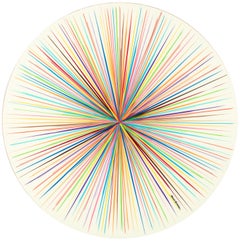
THE MILKY WAY CIRCLE (Limited Edition of Only 30 Prints)
Located in LOS ANGELES, CA
**STORE CLOSURE - UP TO 80% OFF - TAKE ADVANTAGE OF IT** ***EVERYTHING MUST GO BY DECEMBER 31ST!*** >>The artist is moving to a new full time venture in 2026<< _________...
Category

21st Century and Contemporary Abstract Prints and Multiples

Materials

Canvas

Pablo Picasso, 10.3.59. VIII, from Bulls and Bullfighters, 1961 (after)
Located in Southampton, NY
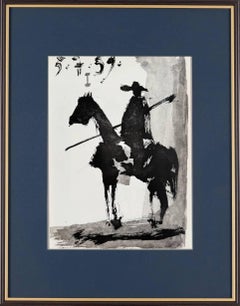
This exquisite heliogravure after Pablo Picasso (1881–1973), titled 10.3.59. VIII, from the album Pablo Picasso, Toros y Toreros (Bulls and Bullfighters), originates from the 1961 ed...
Category

1960s Cubist Prints and Multiples

Materials

Lithograph

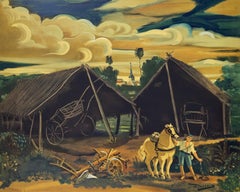
Elwood W. Bartlett, Wisconsin Farm, about 1945, mid-century wood engraving
Located in New York, NY
Elwood Warren Bartlett is a Wisconsin native who also worked in Indiana. Largely self taught as a printmaker, Bartlett worked in a style that once identified as his, immediately t...
Category

1940s American Modern Prints and Multiples

Materials

Woodcut

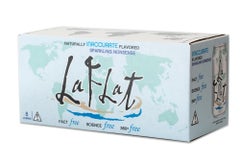
"LaFlat" Limited Edition Parody Piece by Kid Hazo
Located in Philadelphia, PA
"LaFlat" is an original archival pigment print on cardboard box artwork by Kid Hazo measuring 5.5"h x 11"w x 5.25"d. This is an edition of 13. Hazo’s belief that art is for everyon...
Category

21st Century and Contemporary Contemporary Prints and Multiples

Materials

Cardboard, Archival Pigment

Fine Art Prints for Sale — Animal Prints, Abstract Prints, Nude Prints and Other Prints

Decorating with fine art prints — whether they’re figurative prints, abstract prints or another variety — has always been a practical way of bringing a space to life as well as bringing works by an artist you love into your home.

Pursued in the 1960s and ’70s, largely by Pop artists drawn to its associations with mass production, advertising, packaging and seriality, as well as those challenging the primacy of the Abstract Expressionist brushstroke, printmaking was embraced in the 1980s by painters and conceptual artists ranging from David Salle and Elizabeth Murray to Adrian Piper and Sherrie Levine.

Printmaking is the transfer of an image from one surface to another. An artist takes a material like stone, metal, wood or wax, carves, incises, draws or otherwise marks it with an image, inks or paints it and then transfers the image to a piece of paper or other material.

Fine art prints are frequently confused with their more commercial counterparts. After all, our closest connection to the printed image is through mass-produced newspapers, magazines and books, and many people don’t realize that even though prints are editions, they start with an original image created by an artist with the intent of reproducing it in a small batch. Fine art prints are created in strictly limited editions — 20 or 30 or maybe 50 — and are always based on an image created specifically to be made into an edition.

Many people think of revered Dutch artist Rembrandt as a painter but may not know that he was a printmaker as well. His prints have been preserved in time along with the work of other celebrated printmakers such as Pablo Picasso, Salvador Dalí and Andy Warhol. These fine art prints are still highly sought after by collectors.

“It’s another tool in the artist’s toolbox, just like painting or sculpture or anything else that an artist uses in the service of mark making or expressing him- or herself,” says International Fine Print Dealers Association (IFPDA) vice president Betsy Senior, of New York’s Betsy Senior Fine Art, Inc.

Because artist’s editions tend to be more affordable and available than his or her unique works, they’re more accessible and can be a great opportunity to bring a variety of colors, textures and shapes into a space.

For tight corners, select small fine art prints as opposed to the oversized bold piece you’ll hang as a focal point in the dining area. But be careful not to choose something that is too big for your space. And feel free to lean into it if need be — not every work needs picture-hanging hooks. Leaning a larger fine art print against the wall behind a bookcase can add a stylish installation-type dynamic to your living room. (Read more about how to arrange wall art here.)

Find fine art prints for sale on 1stDibs today.

Recently Viewed

View All